Honouring National Women’s Day – 9 August
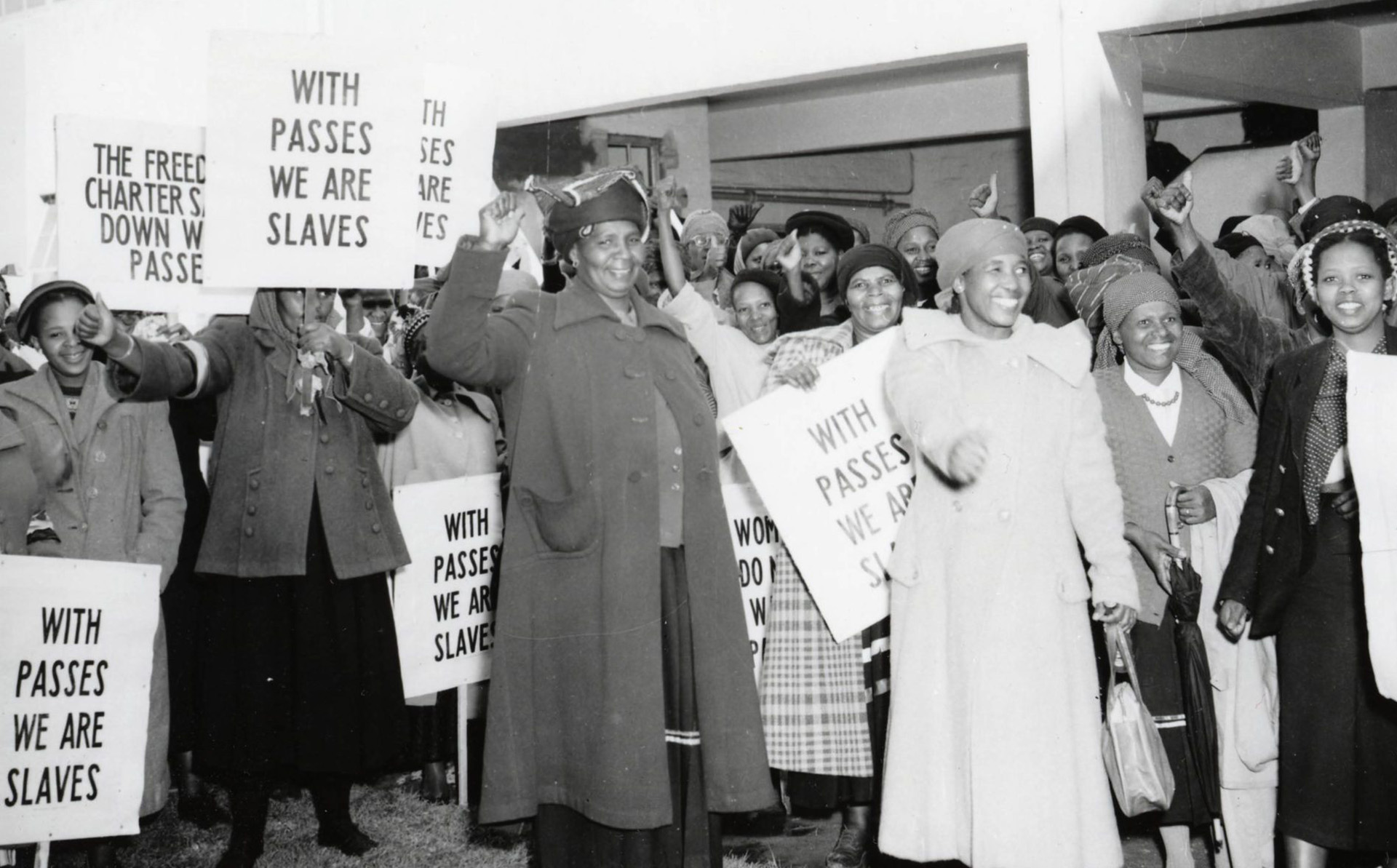
Each year, on 9 August, South Africa observes National Women’s Day, a public holiday with deeply rooted historical significance. This date marks the 1956 march of approximately 20,000 women of all races, who converged on Pretoria’s Union Buildings in a powerful act of resistance against apartheid-era pass laws that severely restricted the movement and rights of Black women.
Organised by the Federation of South African Women (FSAW/FEDSAW), the march was led by iconic figures including Lilian Ngoyi, Helen Joseph, Rahima Moosa, and Sophia Williams‑De Bruyn. The protesters delivered petitions, stood in dignified silence for 30 minutes, and sang the now-famous rallying cry:
“Wathint’ abafazi, wathint’ imbokodo!”
(“You strike a woman, you strike a rock”)
Following South Africa’s transition to democracy, the first National Women’s Day was officially celebrated on 9 August 1995, and August was further designated as Women’s Month to honour the enduring courage and resilience of women across the nation.
Why This Day Still Matters
While National Women’s Day commemorates a pivotal moment in the struggle for justice, it also serves as a vital reminder of ongoing challenges. Today’s observances continue to spotlight critical issues such as:
Gender-based violence
Economic inequality and unequal pay
Barriers to education and healthcare access
Broader advocacy for women’s representation and empowerment
Final Thoughts
National Women’s Day is both a tribute to the fearless women who shaped South Africa’s past and a call to action to uplift, empower, and drive meaningful change for women today. At TruMD, we honour this legacy by advancing healthcare, equity, and opportunity for all women, every single day.