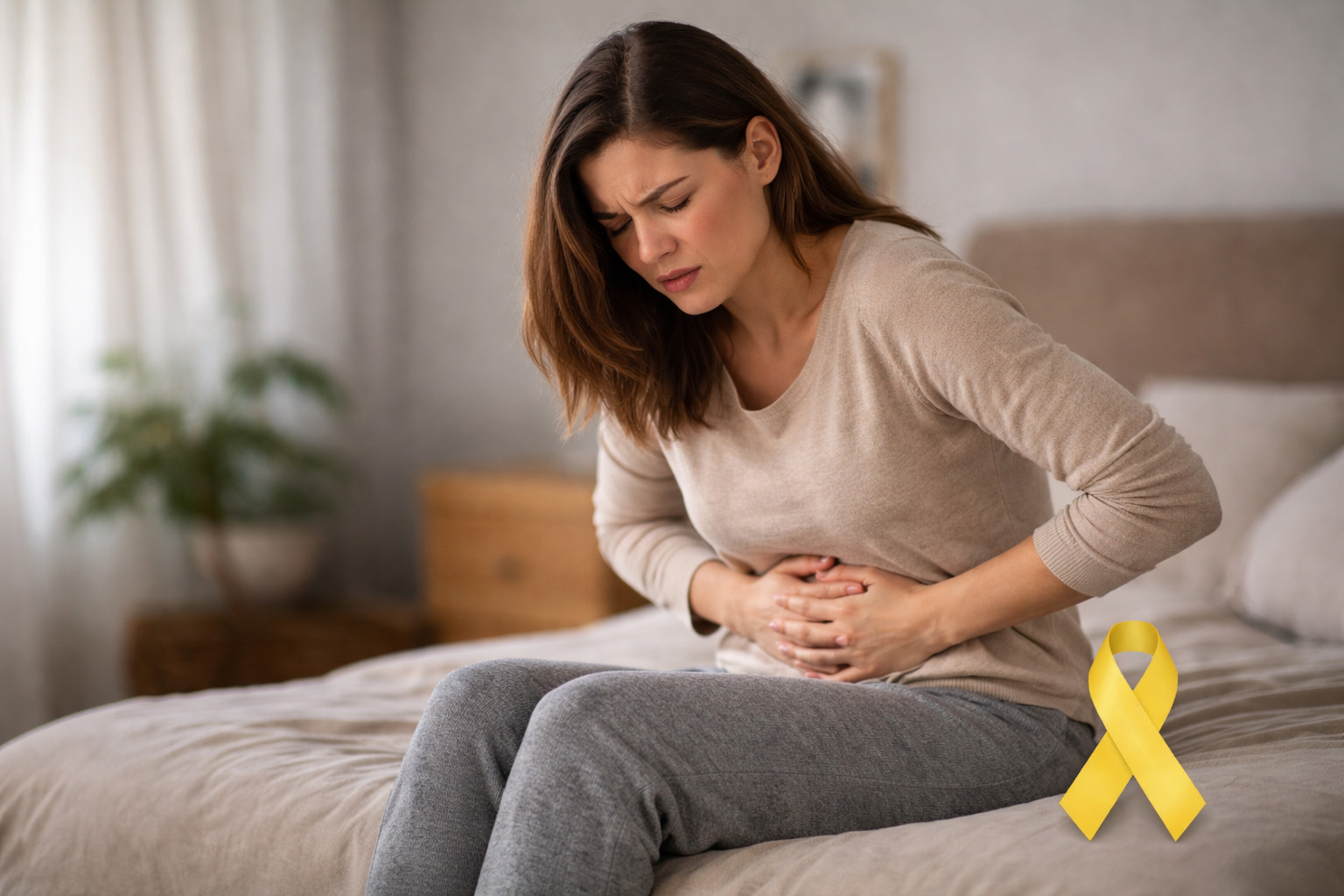
Endometriosis Awareness Month: Why Your Pain Should Not Be Ignored
March is Endometriosis Awareness Month, a time dedicated to raising awareness about a condition that affects many women, yet is often misunderstood or overlooked.
Endometriosis is more than just painful periods. It is a chronic medical condition that can significantly impact daily life, fertility, and overall wellbeing. Increasing awareness helps more women recognise the signs early and seek the care they need.
What is Endometriosis?
Endometriosis occurs when tissue similar to the lining of the uterus grows outside of the uterus. This tissue can attach to organs such as the ovaries, fallopian tubes, and surrounding pelvic structures.
Each month, this tissue responds to hormonal changes just like the uterine lining. However, because it cannot leave the body, it can cause inflammation, swelling, and the formation of scar tissue. Over time, this may lead to ongoing pain and complications.
Recognising the Symptoms
One of the biggest challenges with endometriosis is that symptoms are often normalised or dismissed. Knowing what to look out for is essential.
Common symptoms include:
• Severe menstrual pain that disrupts daily activities
• Chronic pelvic or lower back pain
• Pain during or after intercourse
• Heavy or irregular periods
• Painful bowel movements or urination during menstruation
• Ongoing fatigue
• Difficulty falling pregnant
If your period pain feels overwhelming or interferes with your ability to function normally, it is important to take it seriously.
The Health Impact of Endometriosis
Endometriosis can affect more than just the reproductive system. Chronic inflammation and pain can have a broader impact on both physical and emotional health.
Persistent pain can lead to reduced quality of life, difficulty maintaining work or social activities, and disrupted sleep. Fertility challenges are also common, with endometriosis being one of the leading causes of infertility in women.
The emotional toll is equally important to recognise. Living with ongoing pain and uncertainty can contribute to anxiety, stress, and feelings of frustration, particularly when diagnosis is delayed.
Why Early Diagnosis Matters
Endometriosis is often diagnosed late, sometimes years after symptoms first appear. This delay can allow the condition to progress, making it more difficult to manage.
Early diagnosis allows for better symptom management, improved quality of life, and access to appropriate treatment options. It also helps prevent complications and supports informed decisions about reproductive health.
Getting the Right Support
While there is no cure for endometriosis, there are many ways to manage it effectively. Treatment may include pain management, hormonal therapy, lifestyle adjustments, and in some cases, surgery.
The key is having the right medical support and a personalised approach to care.
How TruMD Can Help
If you are experiencing symptoms that could be linked to endometriosis, you do not need to navigate it alone. TruMD offers convenient access to qualified healthcare professionals through online consultations.
A doctor can help assess your symptoms, guide you on next steps, and refer you for further testing or specialist care if needed. Ongoing support can also help you manage your symptoms and improve your quality of life.
Take Your Symptoms Seriously
Endometriosis Awareness Month is about more than awareness. It is about encouraging action, validating experiences, and ensuring that women receive the care they deserve.
If something does not feel right, trust your body and seek medical advice. Early support can make a meaningful difference in your health and wellbeing.
Book a consultation with TruMD and take the first step toward understanding and managing your health with confidence.