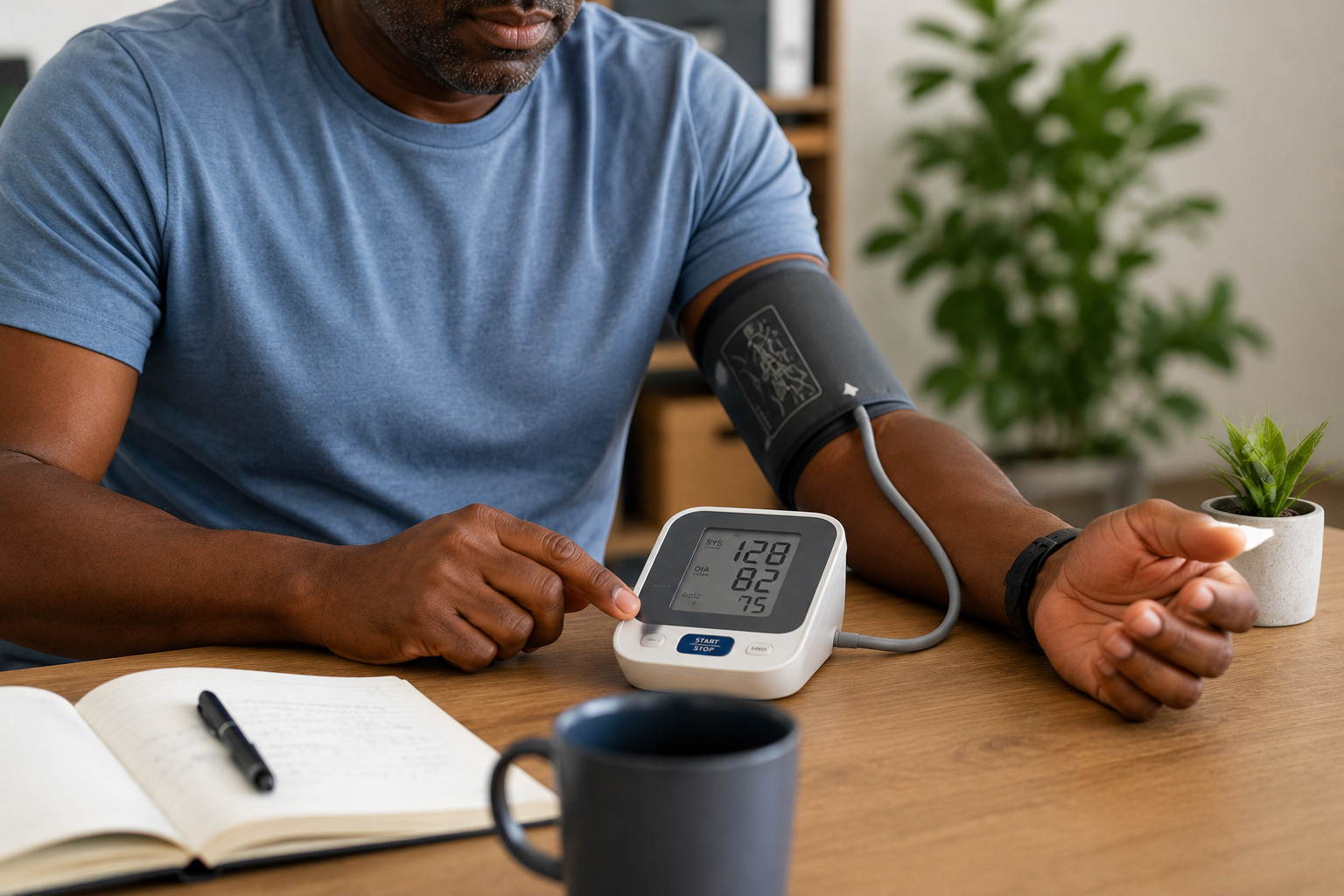
High Blood Pressure: Why It’s Called the Silent Killer
High blood pressure, also known as hypertension, affects millions of people worldwide and is one of the leading risk factors for heart disease and stroke. Yet many people live with elevated blood pressure without even knowing it.
Unlike illnesses that present with clear warning signs, hypertension often develops quietly over time. This is why it is commonly referred to as the “silent killer”.
During World Hypertension Day, awareness becomes especially important. Understanding blood pressure, recognising risk factors and prioritising regular screening may help prevent serious health complications.
What Is Blood Pressure?
Blood pressure refers to the force of blood pushing against the walls of the arteries as the heart pumps.
Blood pressure naturally rises and falls throughout the day depending on activity, stress and overall health.
A blood pressure reading includes two numbers:
• Systolic pressure, which measures pressure when the heart beats
• Diastolic pressure, which measures pressure when the heart rests between beats
Both measurements help healthcare professionals assess cardiovascular health.
Why Is High Blood Pressure Dangerous?
When blood pressure remains consistently high, extra strain is placed on blood vessels and vital organs.
Over time, uncontrolled hypertension may damage:
• The heart
• Blood vessels
• Kidneys
• Brain
• Eyes
Because this damage often develops gradually, people may feel completely well while complications silently progress.
Untreated high blood pressure may increase the risk of:
• Heart attack
• Stroke
• Kidney disease
• Heart failure
• Vision problems
• Vascular damage
Early identification and management are therefore extremely important.
Why It Is Called the Silent Killer
One of the most challenging aspects of hypertension is that it frequently causes no symptoms at all.
Many people only discover they have high blood pressure during routine medical appointments or after a health complication occurs.
This silent progression is exactly what makes the condition dangerous.
Without regular monitoring, elevated blood pressure may remain undetected for years.
Can High Blood Pressure Cause Symptoms?
Although hypertension is often symptom-free, some individuals may experience symptoms, particularly if blood pressure becomes significantly elevated.
Possible symptoms may include:
• Persistent headaches
• Dizziness
• Fatigue
• Blurred vision
• Shortness of breath
• Chest discomfort
• Nosebleeds in some cases
These symptoms do not always mean blood pressure is elevated, but they should never be ignored.
If symptoms are persistent or concerning, medical evaluation is important.
Who Is at Risk?
High blood pressure may affect anyone, but certain factors may increase risk.
Common risk factors include:
• Family history of hypertension
• Increasing age
• Excess weight
• Smoking
• Physical inactivity
• High-salt diet
• Excess alcohol consumption
• Chronic stress
• Diabetes or other medical conditions
Risk factors often overlap, making lifestyle awareness especially valuable.
How Lifestyle Influences Blood Pressure
Daily habits may have a significant impact on blood pressure.
Positive lifestyle changes can help support cardiovascular health and may reduce long-term risk.
Helpful strategies include:
• Reducing excess salt intake
• Eating a balanced diet
• Staying physically active
• Managing stress levels
• Prioritising sleep
• Avoiding smoking
• Limiting alcohol intake
Small, sustainable changes are often more effective than dramatic short-term efforts.
Why Blood Pressure Checks Matter
Because hypertension may develop without symptoms, regular blood pressure monitoring is one of the most valuable preventative health tools.
A blood pressure check is:
• Quick
• Non-invasive
• Affordable
• Informative
Many pharmacies, clinics and healthcare providers offer blood pressure screening.
Regular monitoring may help identify early changes before complications develop.
Managing High Blood Pressure
Treatment depends on individual circumstances and medical history.
Management may include:
• Lifestyle modification
• Dietary adjustments
• Weight management
• Physical activity
• Stress management
• Medication when prescribed
Medication should always be taken exactly as advised by a healthcare professional.
Stopping treatment without medical guidance may increase health risks.
When to Seek Medical Advice
Medical advice should be considered if:
• Blood pressure readings are repeatedly elevated
• Symptoms are concerning
• There is strong family history of hypertension
• Existing medical conditions increase cardiovascular risk
• Lifestyle changes are not improving readings
Early medical support may help prevent complications and guide appropriate treatment.
Telemedicine offers a convenient way to discuss symptoms, review blood pressure concerns and receive professional healthcare guidance.
Protecting Your Heart Starts Early
High blood pressure may be silent, but awareness can be powerful.
Routine screening, healthy lifestyle habits and early medical care remain some of the most effective ways to protect long-term cardiovascular health.
Often, prevention begins with simple everyday decisions.
Speak to a Healthcare Professional
If you are concerned about your blood pressure or cardiovascular health, TruMD makes it easier to connect with qualified healthcare professionals from the comfort of your home.
Book your consultation online and take the next step toward better heart health.