Why Regular Blood Pressure Checks Could Save Your Life
High blood pressure is often called the “silent killer” because it usually develops without noticeable symptoms. Many people feel perfectly healthy while their blood pressure is dangerously high, only discovering the problem after experiencing a heart attack, stroke, or kidney disease.
The good news is that high blood pressure is easy to detect and, in most cases, can be successfully managed with lifestyle changes, medication, or a combination of both.
Whether you’re in your twenties or approaching retirement, regular blood pressure checks should be part of your routine healthcare.
What Is Blood Pressure?
Blood pressure is the force of blood pushing against the walls of your arteries as your heart pumps blood around your body.
It is measured using two numbers:
- Systolic pressure (the top number) measures the pressure when your heart beats.
- Diastolic pressure (the bottom number) measures the pressure when your heart relaxes between beats.
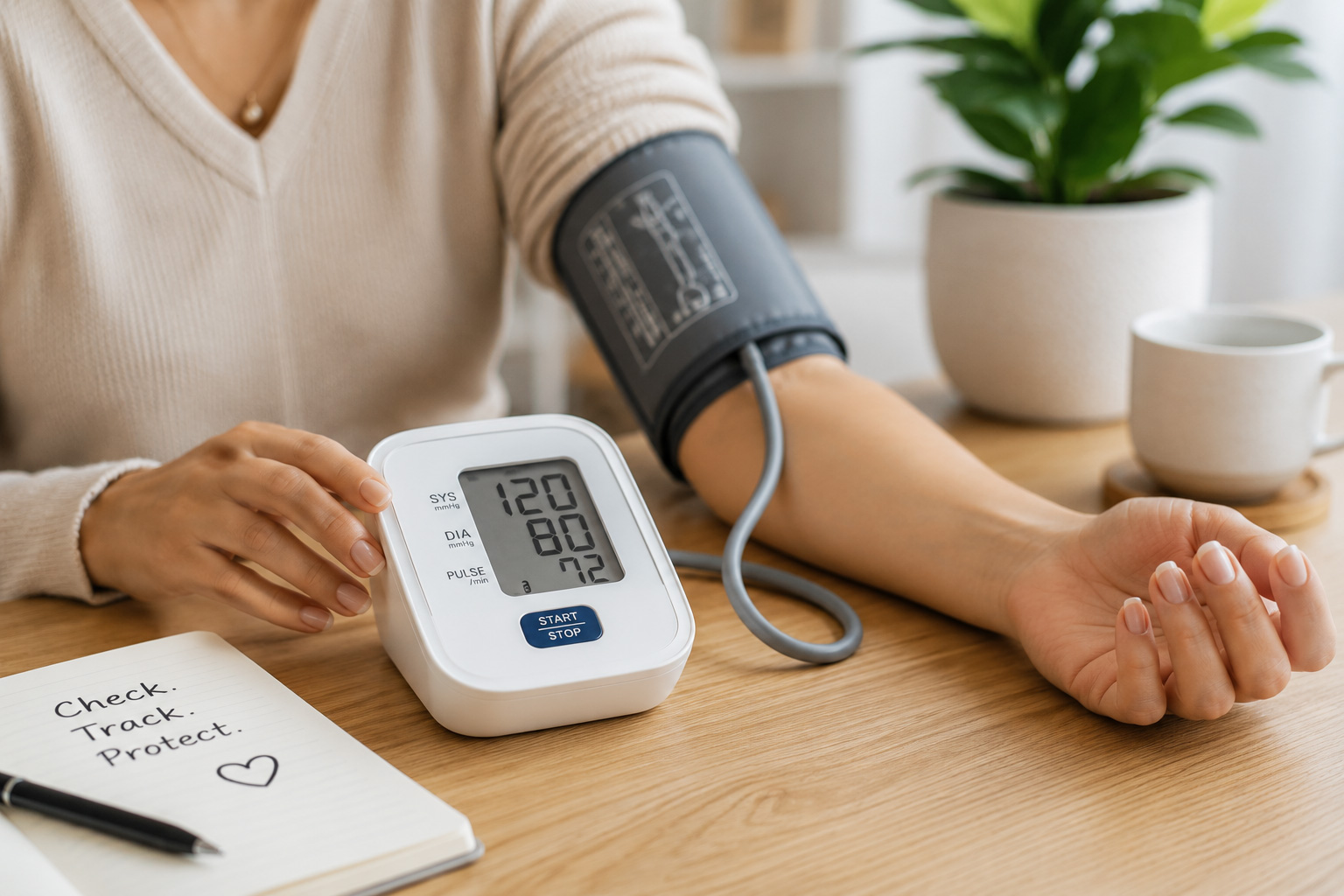
A normal reading is generally considered to be around 120/80 mmHg, although your healthcare provider will interpret your results based on your age, medical history and overall health.
Why Is High Blood Pressure Dangerous?
When blood pressure remains high over time, it places extra strain on your heart and blood vessels.
Without treatment, hypertension increases your risk of:
- Heart disease
- Heart attacks
- Stroke
- Kidney disease
- Heart failure
- Vision problems
- Peripheral artery disease
- Cognitive decline later in life
Because damage occurs gradually, many people don’t realise anything is wrong until complications develop.
The Problem: Most People Have No Symptoms
One of the biggest challenges with hypertension is that it rarely causes symptoms in its early stages.
Some people believe headaches, dizziness or nosebleeds are signs of high blood pressure, but these symptoms usually occur only when blood pressure becomes dangerously elevated.
For most people, there are no warning signs at all.
This is why routine screening is so important.
Who Should Check Their Blood Pressure?
Everyone should have their blood pressure checked periodically, but it’s especially important if you:
- Are over the age of 40
- Have a family history of hypertension
- Are overweight or obese
- Smoke or vape
- Drink alcohol regularly
- Have diabetes
- Have high cholesterol
- Have kidney disease
- Live with chronic stress
- Have a sedentary lifestyle
Pregnant women should also have their blood pressure monitored regularly, as high blood pressure during pregnancy can pose serious risks for both mother and baby.
Risk Factors You Can Control
Although genetics can play a role, many of the factors contributing to high blood pressure are lifestyle-related.
Eat a Heart-Healthy Diet
Aim to eat more:
- Fresh fruit and vegetables
- Whole grains
- Lean proteins
- Legumes
- Healthy fats such as avocado, nuts and olive oil
Reduce foods that are high in:
- Salt
- Saturated fat
- Sugar
- Highly processed ingredients
Small dietary improvements can have a significant impact on blood pressure over time.
Stay Physically Active
Regular exercise strengthens your heart, allowing it to pump blood more efficiently.
Aim for at least 150 minutes of moderate exercise each week, such as:
- Walking
- Cycling
- Swimming
- Dancing
- Strength training
Even short daily walks can make a meaningful difference.
Maintain a Healthy Weight
Excess body weight places additional strain on the cardiovascular system.
Losing even a small amount of weight can help lower blood pressure and reduce the risk of heart disease.
Reduce Stress
Long-term stress may contribute to elevated blood pressure and unhealthy coping habits.
Helpful stress management techniques include:
- Deep breathing
- Meditation
- Yoga
- Regular exercise
- Spending time outdoors
- Maintaining healthy sleep habits
If stress or anxiety feels overwhelming, speaking with a healthcare professional can provide valuable support.
Limit Alcohol and Stop Smoking
Smoking damages blood vessels, while excessive alcohol intake can contribute to higher blood pressure.
Reducing or eliminating these habits is one of the best investments you can make in your long-term health.
Can You Check Blood Pressure at Home?
Yes.
Home blood pressure monitors are widely available and can be an excellent way to monitor your readings between medical appointments.
For the most accurate results:
- Sit quietly for five minutes before measuring.
- Keep both feet flat on the floor.
- Rest your arm at heart level.
- Avoid caffeine, smoking or exercise for at least 30 minutes beforehand.
- Take readings at the same time each day.
Always discuss your readings with your healthcare provider rather than interpreting them on your own.
What Happens If Your Blood Pressure Is High?
A single high reading doesn’t necessarily mean you have hypertension.
Your healthcare provider may recommend monitoring your blood pressure over several days or weeks before making a diagnosis.
If treatment is needed, it may include:
- Lifestyle modifications
- Weight management
- Dietary changes
- Regular exercise
- Medication where appropriate
Many people successfully manage hypertension and continue to live long, healthy lives.
Why Regular Monitoring Matters
Blood pressure changes over time.
Even if your readings have always been normal, factors such as ageing, stress, pregnancy, weight gain and certain medical conditions can increase your risk.
Routine monitoring allows problems to be identified early—before complications develop.
Think of it as preventative healthcare rather than reactive treatment.
When Should You Seek Medical Advice?
Book an appointment with a healthcare professional if:
- Your blood pressure readings are consistently elevated.
- You have a strong family history of hypertension.
- You experience chest pain, severe headaches, shortness of breath or blurred vision.
- You’re concerned about your cardiovascular health.
- You need advice about managing your blood pressure or medication.
Early assessment can make all the difference.
How TruMD Can Help
Monitoring your health shouldn’t be inconvenient.
If you have questions about your blood pressure, need guidance on interpreting home readings, require repeat prescriptions or want advice about lifestyle changes, a TruMD healthcare professional can assist you through a secure online consultation.
Receiving timely medical advice has never been more accessible.
Final Thoughts
High blood pressure often develops silently, but its consequences can be serious if left untreated.
The good news is that routine blood pressure checks, healthy lifestyle habits and early medical care can dramatically reduce your risk of heart disease, stroke and other complications.
Taking a few minutes to monitor your blood pressure today could help protect your health for years to come.
Take Charge of Your Heart Health
Whether you have concerns about high blood pressure, need help managing medication or simply want expert medical advice, TruMD is here to support you.
Book an online consultation with one of our experienced healthcare professionals and take an important step towards better heart health—without leaving your home.