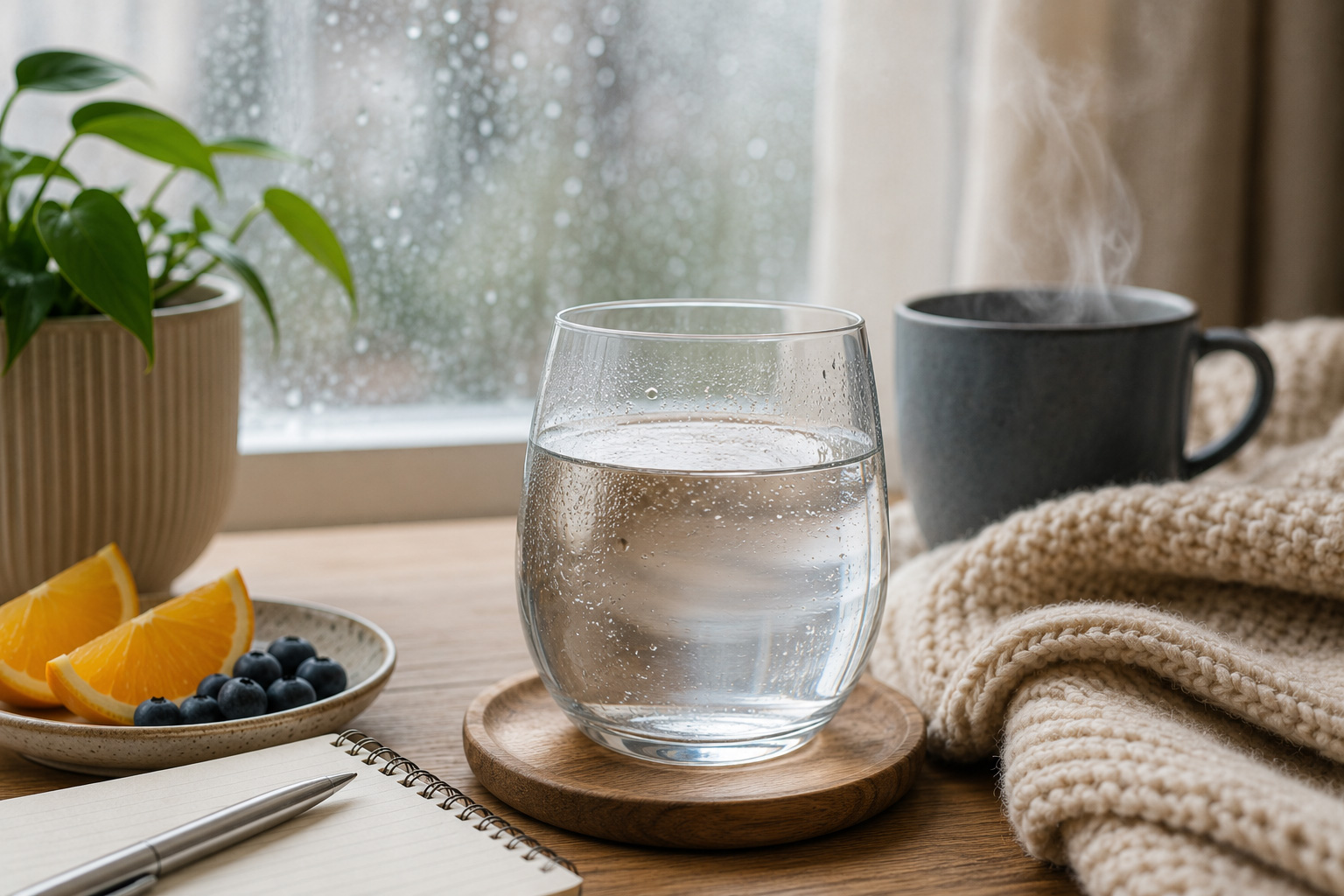
Dehydration Isn’t Just a Summer Problem: Why Staying Hydrated Matters All Year Round
When most people think about dehydration, they picture hot summer days, intense exercise, or spending hours in the sun. While these situations certainly increase your risk, dehydration is surprisingly common during the colder months too.
Because we don’t feel as thirsty in winter, many people unintentionally drink less water. Combined with indoor heating, hot beverages replacing water, and illnesses like colds and flu, it’s easy to become mildly dehydrated without even realising it.
Proper hydration is essential for every system in your body—from regulating temperature and supporting brain function to keeping your heart, kidneys and digestive system working efficiently.
What Is Dehydration?
Dehydration occurs when your body loses more fluids than it takes in.
Water makes up around 60% of an adult’s body and plays an essential role in:
- Transporting nutrients
- Regulating body temperature
- Lubricating joints
- Supporting digestion
- Removing waste products
- Maintaining healthy blood pressure
- Supporting brain function
Even mild dehydration can affect how you feel and perform throughout the day.
Why Dehydration Happens During Winter
Many people simply don’t notice they’re drinking less during colder weather.
Several factors contribute to winter dehydration:
Reduced thirst
Your body’s thirst response naturally decreases when temperatures are lower, making it easier to forget to drink water.
Dry indoor air
Heaters and fireplaces reduce humidity, causing your body to lose moisture through your skin and breathing.
Hot drinks replace water
Tea, coffee and hot chocolate are comforting during winter, but they shouldn’t completely replace plain water.
Winter illnesses
Fever, vomiting and diarrhoea can cause rapid fluid loss, increasing the risk of dehydration.
Common Signs of Dehydration
The symptoms of dehydration often develop gradually.
Watch for:
- Dry mouth
- Increased thirst
- Headaches
- Fatigue
- Dizziness
- Dark yellow urine
- Passing urine less often
- Dry skin
- Difficulty concentrating
- Muscle cramps
In more severe cases, dehydration can cause confusion, rapid heartbeat, low blood pressure and fainting, requiring urgent medical attention.
Who Is Most at Risk?
Anyone can become dehydrated, but some groups are more vulnerable.
Older adults
As we age, the body’s thirst response becomes less effective. Many older adults also take medications that increase fluid loss.
Young children
Children lose fluids more quickly than adults, especially during illnesses involving fever or diarrhoea.
People with chronic illnesses
Conditions such as diabetes and kidney disease can affect the body’s fluid balance.
Active individuals
Even during winter, exercise causes fluid loss through sweat.
Pregnant and breastfeeding women
Fluid requirements increase significantly during pregnancy and while breastfeeding.
How Much Water Do You Need?
There is no single amount that suits everyone.
Your fluid needs depend on:
- Age
- Body size
- Activity level
- Climate
- Pregnancy or breastfeeding
- Underlying medical conditions
As a general guide, many adults benefit from drinking approximately 2 to 2.5 litres of fluids per day, although some people require more.
Remember that water isn’t your only source of hydration.
You can also obtain fluids from:
- Milk
- Soups
- Herbal teas
- Fresh fruit
- Vegetables
- Water-rich foods such as watermelon, cucumber and oranges.
Tips for Staying Hydrated
Making hydration a daily habit is easier than waiting until you feel thirsty.
Here are a few practical tips:
Carry a reusable water bottle
Keeping water nearby serves as a visual reminder to drink throughout the day.
Drink regularly
Rather than consuming large amounts at once, aim to sip water consistently.
Start your morning with water
Drinking a glass of water shortly after waking helps replace fluids lost overnight.
Eat water-rich foods
Fruit and vegetables contribute to your daily fluid intake while providing valuable nutrients.
Set reminders
If you’re busy at work, use your phone or smartwatch to remind you to drink water every hour.
Monitor your urine colour
Pale yellow urine usually indicates good hydration, while darker urine may suggest you need more fluids.
Can Coffee and Tea Count?
Tea and coffee do contribute to your daily fluid intake.
Although they contain caffeine, moderate amounts generally do not cause significant dehydration in healthy adults.
However, plain water should still make up the majority of your daily fluid intake.
When Illness Increases Your Risk
If you’re sick with:
- Flu
- COVID-19
- Gastroenteritis
- Fever
- Vomiting
- Diarrhoea
your body loses fluids much faster than usual.
It’s important to:
- Sip fluids regularly.
- Consider oral rehydration solutions if recommended.
- Avoid becoming dehydrated before you begin replacing fluids.
- Seek medical advice if you’re unable to keep fluids down.
When Should You See a Doctor?
Mild dehydration can usually be treated by increasing your fluid intake.
However, seek medical advice if you experience:
- Persistent vomiting
- Severe diarrhoea
- High fever
- Confusion
- Extreme weakness
- Inability to drink fluids
- Very little urine output
- Symptoms that continue despite drinking fluids
Young children and older adults should be assessed promptly if dehydration is suspected.
Preventing Dehydration Every Day
Good hydration doesn’t happen by chance—it comes from small, consistent habits.
Simple ways to stay hydrated include:
- Drinking water throughout the day.
- Carrying a water bottle.
- Eating plenty of fruit and vegetables.
- Increasing fluids during exercise or illness.
- Limiting sugary drinks.
- Paying attention to early signs of dehydration.
These simple habits support not only your hydration but your overall health and wellbeing.
How TruMD Can Help
If you’re concerned about dehydration, recovering from illness or unsure whether your symptoms require medical attention, TruMD’s healthcare professionals are here to help.
Through a secure online consultation, you can receive personalised medical advice, guidance on managing dehydration and recommendations for further treatment if needed—all from the comfort of your home.
Final Thoughts
Dehydration is often overlooked during the colder months, but it can affect anyone, regardless of the season.
By making hydration a daily priority and recognising the early warning signs, you can help your body function at its best, reduce your risk of illness and support your overall health throughout the year.
Stay Healthy with TruMD
Whether you’re recovering from illness, managing a chronic condition or simply have questions about your health, TruMD makes accessing professional medical advice simple and convenient.
Book an online consultation today and receive trusted healthcare wherever you are in South Africa.