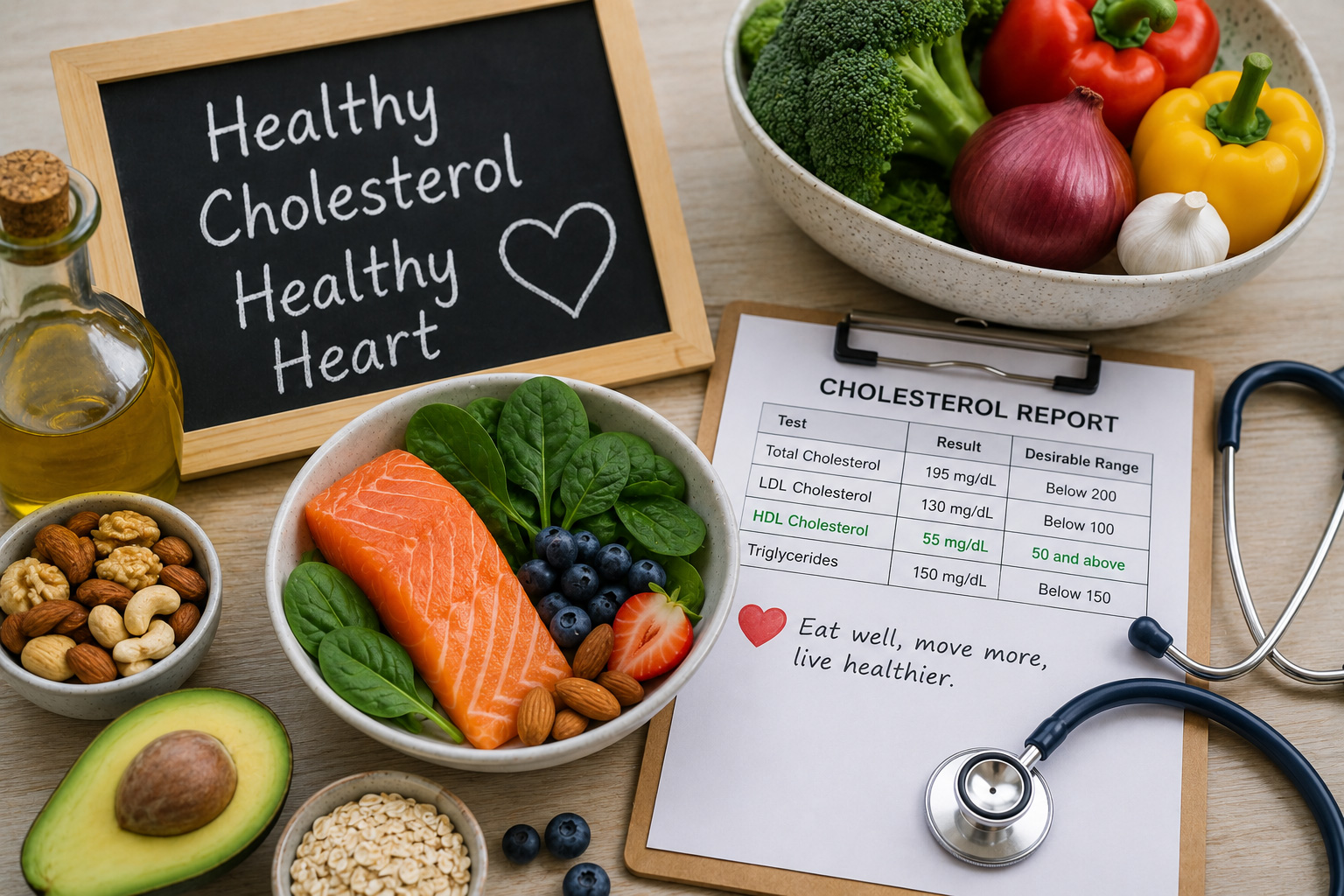
Understanding Cholesterol: The Good, The Bad and How to Keep It Healthy
When you hear the word cholesterol, it’s often associated with heart disease or unhealthy eating. However, cholesterol isn’t something your body can do without. In fact, it’s essential for producing hormones, building healthy cells and helping your body make vitamin D.
Problems only arise when cholesterol levels become too high—particularly the type known as “bad” cholesterol. High cholesterol usually develops silently, with no obvious symptoms, but over time it can significantly increase your risk of heart attack, stroke and other cardiovascular diseases.
The good news is that high cholesterol can often be prevented or managed through healthy lifestyle choices and, when necessary, medication.
What Is Cholesterol?
Cholesterol is a waxy, fat-like substance found in every cell of your body.
Your liver naturally produces all the cholesterol your body needs, but cholesterol is also found in many animal-based foods such as meat, dairy products and eggs.
Because cholesterol cannot travel through the bloodstream on its own, it is carried by proteins called lipoproteins.
There are two main types you should know about.
HDL: The “Good” Cholesterol
High-density lipoprotein (HDL) is often called the good cholesterol.
HDL helps remove excess cholesterol from your bloodstream and transports it back to the liver, where it can be broken down and removed from the body.
Higher HDL levels are generally associated with a lower risk of heart disease.
LDL: The “Bad” Cholesterol
Low-density lipoprotein (LDL) is known as the bad cholesterol.
When LDL levels become too high, cholesterol can begin to build up inside your arteries.
Over time, this build-up forms plaques that narrow the arteries, reducing blood flow to the heart and brain.
This process, known as atherosclerosis, increases the risk of:
- Heart attack
- Stroke
- Peripheral artery disease
- Poor circulation
Triglycerides Matter Too
Triglycerides are another type of fat found in your blood.
High triglyceride levels often occur alongside high LDL cholesterol and can further increase your risk of cardiovascular disease.
Common causes include:
- Obesity
- Diabetes
- Excessive alcohol consumption
- Diets high in sugar and refined carbohydrates
- Physical inactivity
Why High Cholesterol Is Called a Silent Condition
One of the biggest challenges with high cholesterol is that it rarely causes symptoms.
You may feel perfectly healthy while cholesterol slowly damages your arteries over many years.
For many people, the first sign of a problem is a heart attack or stroke.
Routine cholesterol testing is the only reliable way to know whether your levels are healthy.
Who Should Have Their Cholesterol Checked?
Regular cholesterol screening is recommended for adults, particularly if you:
- Are over 40 years old
- Have high blood pressure
- Have diabetes
- Are overweight
- Smoke
- Have a family history of heart disease
- Live a sedentary lifestyle
- Have previously been told your cholesterol is elevated
Your healthcare provider can advise how often you should be tested based on your personal risk factors.
What Causes High Cholesterol?
Several factors can contribute to elevated cholesterol levels.
Some are within your control, while others are not.
Risk factors include:
- Diet high in saturated and trans fats
- Lack of physical activity
- Being overweight
- Smoking
- Excessive alcohol intake
- Diabetes
- Kidney disease
- Ageing
- Genetics
Even people who eat well and exercise regularly can develop high cholesterol due to inherited conditions.
How to Lower Your Cholesterol Naturally
The good news is that lifestyle changes can have a significant impact.
Eat More Heart-Healthy Foods
Aim to include:
- Oats
- Whole grains
- Beans and lentils
- Fresh fruit
- Vegetables
- Nuts
- Seeds
- Avocados
- Olive oil
- Fatty fish such as salmon or sardines
These foods provide fibre and healthy fats that support healthy cholesterol levels.
Reduce Saturated Fat
Try to limit:
- Processed meats
- Fatty cuts of meat
- Butter
- Cream
- Full-fat dairy products
- Fried foods
- Fast food
- Commercial baked goods
Small dietary changes made consistently often produce the best long-term results.
Stay Active
Regular exercise helps:
- Increase HDL (“good”) cholesterol
- Improve circulation
- Maintain a healthy weight
- Lower blood pressure
- Reduce cardiovascular risk
Aim for at least 150 minutes of moderate exercise each week.
Maintain a Healthy Weight
Even modest weight loss can improve cholesterol levels and reduce strain on your heart.
Stop Smoking
Smoking lowers HDL cholesterol while damaging blood vessels.
Quitting smoking is one of the most effective ways to protect your cardiovascular health.
Will Everyone Need Medication?
Not necessarily.
Some people successfully improve their cholesterol through lifestyle changes alone.
Others, particularly those with inherited high cholesterol or a history of cardiovascular disease, may require cholesterol-lowering medication such as statins.
Your healthcare provider will consider your overall risk rather than cholesterol numbers alone before recommending treatment.
When Should You Speak to a Doctor?
Book a consultation if:
- You have never had your cholesterol tested.
- You have a family history of heart disease.
- Your blood pressure is high.
- You have diabetes.
- You’re concerned about your cardiovascular health.
- You would like personalised advice on improving your cholesterol levels.
Early intervention can significantly reduce future health risks.
How TruMD Can Help
Managing cholesterol starts with understanding your personal risk factors.
TruMD’s healthcare professionals can assess your cardiovascular health, review your cholesterol results, discuss lifestyle changes and determine whether further testing or treatment may be appropriate.
Convenient online consultations make it easy to access expert medical advice without leaving home.
Final Thoughts
High cholesterol is one of the leading risk factors for heart disease, but it’s also one of the most manageable.
Regular health checks, healthy eating, exercise and early medical advice can dramatically reduce your risk of serious complications.
Taking care of your cholesterol today is an investment in your future heart health.
Protect Your Heart with TruMD
Whether you’re due for a health check, have questions about your cholesterol or want personalised advice on reducing your cardiovascular risk, TruMD is here to help.
Book an online consultation today and take the next step towards better heart health from the comfort of your home.