Understanding High Blood Pressure: The Silent Killer
High blood pressure, also known as hypertension, affects millions of people worldwide, yet many don’t realise they have it. Unlike many other health conditions, high blood pressure often develops without obvious symptoms, earning it the nickname “the silent killer.”
If left untreated, hypertension can significantly increase your risk of heart disease, stroke, kidney disease and other serious health problems. The good news is that it can often be prevented, detected early and managed effectively.
What Is High Blood Pressure?
Blood pressure is the force of blood pushing against the walls of your arteries as your heart pumps.
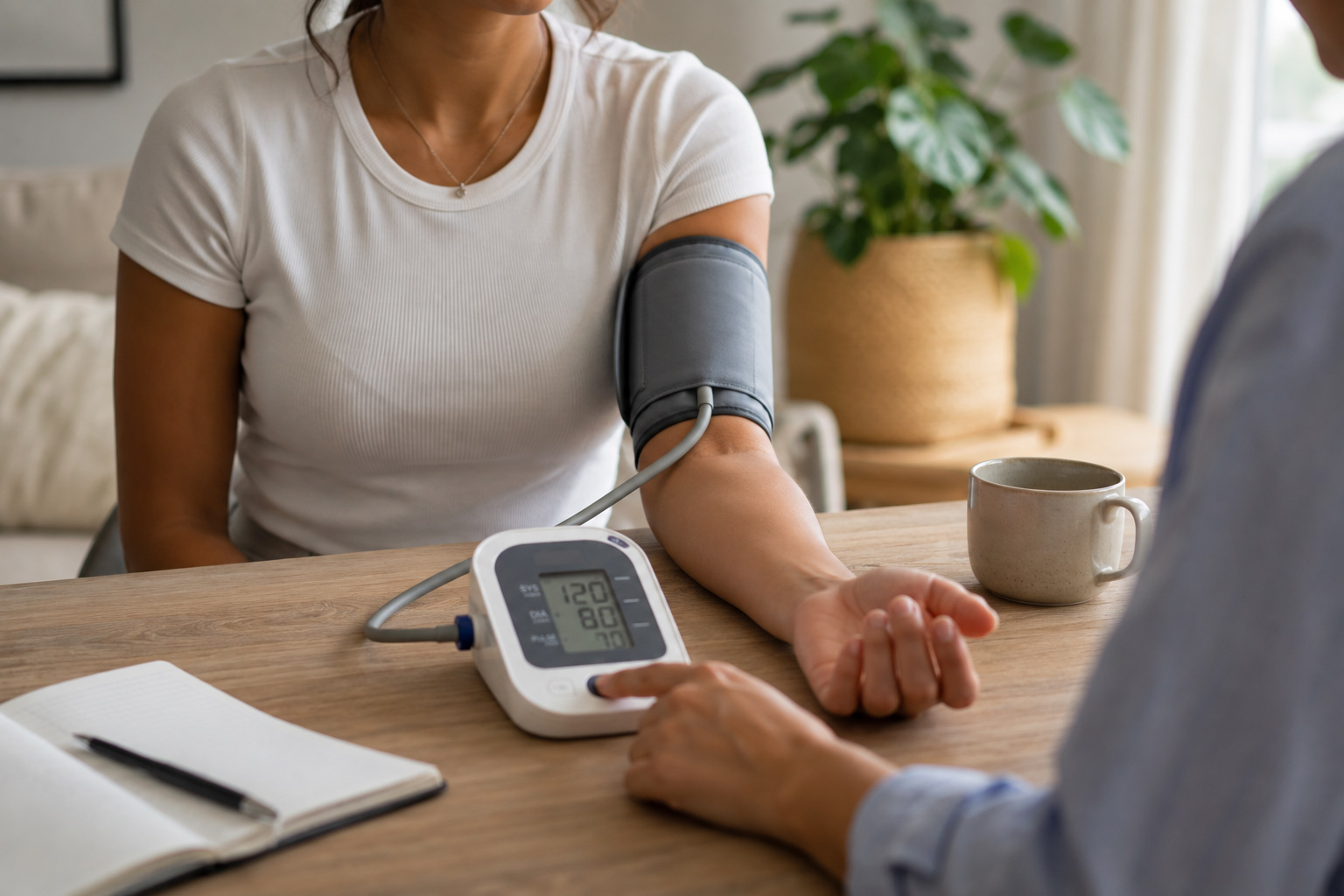
A normal blood pressure reading is generally considered to be below 120/80 mmHg.
Consistently elevated readings may indicate high blood pressure and should be assessed by a healthcare professional.
Why Is High Blood Pressure Dangerous?
Over time, uncontrolled high blood pressure places extra strain on your blood vessels and vital organs.
This can increase your risk of:
- Heart attack
- Stroke
- Heart failure
- Kidney disease
- Vision problems
- Dementia
- Peripheral artery disease
Many of these complications develop gradually over several years.
What Causes High Blood Pressure?
In many cases, there isn’t a single cause. Instead, several factors contribute to developing hypertension.
Common risk factors include:
- Family history
- Being overweight or obese
- Smoking
- Excessive alcohol consumption
- A diet high in salt
- Physical inactivity
- Chronic stress
- Diabetes
- High cholesterol
- Increasing age
Some medical conditions and medications can also contribute to elevated blood pressure.
Are There Any Symptoms?
Most people experience no symptoms at all.
However, extremely high blood pressure may sometimes cause:
- Severe headaches
- Blurred vision
- Shortness of breath
- Chest pain
- Dizziness
- Nosebleeds (occasionally)
These symptoms require prompt medical assessment.
How Is High Blood Pressure Diagnosed?
Hypertension is diagnosed by measuring your blood pressure using a blood pressure monitor.
Because blood pressure naturally changes throughout the day, your healthcare provider may recommend multiple readings over time before making a diagnosis.
Regular blood pressure checks are especially important if you:
- Are over 40 years old
- Have diabetes
- Have kidney disease
- Have a family history of hypertension
- Are overweight
- Smoke
How Can You Lower Your Blood Pressure?
Small lifestyle changes can have a significant impact.
Eat a Heart-Healthy Diet
Aim to eat more:
- Fruits and vegetables
- Whole grains
- Lean protein
- Healthy fats
- Low-fat dairy products
Reduce foods that are high in salt, sugar and saturated fats.
Stay Physically Active
Aim for at least 150 minutes of moderate exercise each week, such as walking, cycling or swimming.
Maintain a Healthy Weight
Even modest weight loss can help reduce blood pressure in many people.
Reduce Salt Intake
Too much sodium causes the body to retain fluid, increasing blood pressure.
Choose fresh foods where possible and limit highly processed foods.
Limit Alcohol
Excessive alcohol intake can contribute to high blood pressure.
Quit Smoking
Smoking damages blood vessels and significantly increases your risk of heart disease and stroke.
Manage Stress
Regular exercise, quality sleep, mindfulness and relaxation techniques can all support healthier blood pressure.
Will I Need Medication?
Not everyone with high blood pressure requires medication.
For some people, lifestyle changes alone may be enough.
If medication is recommended, it’s important to take it exactly as prescribed—even if you feel well. High blood pressure usually doesn’t cause symptoms, but treatment helps protect your heart, brain and kidneys over time.
When Should You See a Doctor?
Book a consultation if you:
- Have consistently high blood pressure readings.
- Experience headaches, dizziness or blurred vision.
- Have a family history of hypertension.
- Have diabetes or kidney disease.
- Are concerned about your cardiovascular health.
Early diagnosis can help prevent long-term complications.
How TruMD Can Help
If you’re concerned about your blood pressure or have recently had a high reading, TruMD makes it easy to consult with a qualified healthcare professional.
During an online consultation, a healthcare provider can discuss your risk factors, review your symptoms, advise on lifestyle changes and determine whether further testing or treatment is needed.
Managing your blood pressure today can protect your health for years to come.
Protect Your Heart
High blood pressure often develops silently, but the damage doesn’t have to.
Regular health checks, healthy lifestyle habits and timely medical advice are the best ways to keep your blood pressure under control.
If you’re concerned about your blood pressure, book an online consultation with TruMD today.