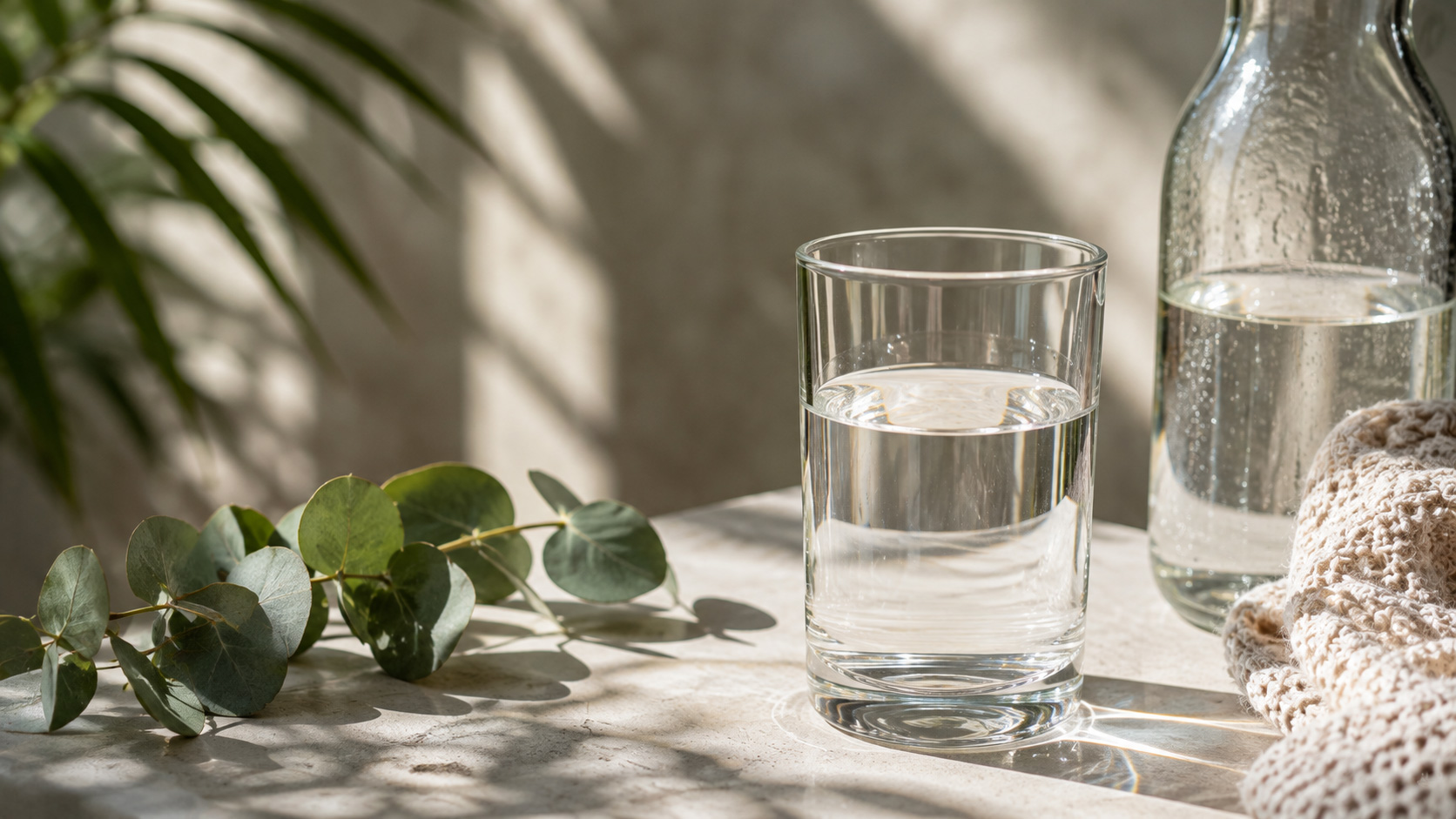
Dehydration Isn’t Just a Summer Problem
When people think about dehydration, they often picture hot summer days and intense exercise. However, dehydration is surprisingly common during winter.
Because the weather is cooler, we tend to feel less thirsty and often drink less water without realising it. Combined with indoor heating, warm clothing and illnesses like colds and flu, this can leave your body needing more fluids than you think.
Staying hydrated throughout winter is just as important as it is during the warmer months.
What Is Dehydration?
Dehydration occurs when your body loses more fluids than it takes in.
Water is essential for almost every function in the body, including:
- Regulating body temperature
- Carrying nutrients to cells
- Supporting digestion
- Maintaining healthy kidneys
- Lubricating joints
- Helping your heart and muscles function properly
Even mild dehydration can affect how you feel and perform throughout the day.
Why Are People More Likely to Become Dehydrated in Winter?
You Feel Less Thirsty
Cooler temperatures reduce your thirst response, meaning you may not notice when your body needs fluids.
You’re Drinking More Hot Drinks
Coffee and tea are comforting during winter, but they shouldn’t completely replace water. While tea and coffee contribute to your daily fluid intake, it’s still important to drink plain water regularly.
Winter Illnesses
Fever, vomiting and diarrhoea can quickly cause dehydration.
Even a blocked nose can lead to increased fluid loss as your body works harder to fight infection.
Dry Indoor Air
Heaters and fireplaces reduce humidity, increasing water loss through your skin and breathing.
Signs of Dehydration
Watch out for these common symptoms:
- Dry mouth or lips
- Headaches
- Feeling tired or sluggish
- Dizziness
- Dark yellow urine
- Passing urine less often
- Difficulty concentrating
- Dry skin
More severe dehydration may cause confusion, rapid heartbeat, extreme weakness or fainting and requires prompt medical attention.
Who Is Most at Risk?
Anyone can become dehydrated, but some groups are more vulnerable, including:
- Young children
- Older adults
- Pregnant and breastfeeding women
- People with chronic illnesses
- Individuals exercising outdoors
- People recovering from flu or stomach illnesses
How to Stay Hydrated This Winter
Drink Water Throughout the Day
Don’t wait until you’re thirsty.
Keep a reusable water bottle nearby and sip regularly.
Enjoy Warm, Hydrating Drinks
Herbal teas, warm water with lemon and clear soups are excellent ways to increase your fluid intake.
Eat Water-Rich Foods
Many fruits and vegetables contain high amounts of water, including:
- Oranges
- Apples
- Cucumbers
- Tomatoes
- Lettuce
- Citrus fruits
Soups and stews are also excellent winter choices.
Replace Fluids During Illness
If you’re experiencing fever, vomiting or diarrhoea, increase your fluid intake and consider oral rehydration solutions if recommended by a healthcare professional.
When Should You See a Doctor?
Seek medical advice if you experience:
- Persistent vomiting or diarrhoea
- Inability to keep fluids down
- Severe dizziness
- Confusion
- Very dark urine or no urine for several hours
- Symptoms that don’t improve despite drinking fluids
Children and older adults can become dehydrated more quickly and should be assessed sooner if symptoms develop.
How TruMD Can Help
If you’re unsure whether your symptoms are due to dehydration or another illness, TruMD allows you to consult with a qualified healthcare professional from wherever you are.
An online consultation can help determine the cause of your symptoms, recommend appropriate treatment and advise whether further medical assessment is needed.
Stay Healthy This Winter
Hydration isn’t only important during summer.
Making a conscious effort to drink enough fluids throughout winter can improve your energy levels, support your immune system and help your body recover more quickly from illness.
If you’re concerned about dehydration or you’re feeling unwell, book an online consultation with TruMD for trusted medical advice.