Hepatitis Explained: Symptoms, Prevention and When to Get Tested
Every year on 28 July, World Hepatitis Day raises awareness about viral hepatitis and the importance of early diagnosis and prevention.
Millions of people around the world are living with hepatitis without knowing it. Because symptoms are often mild—or don’t appear until the disease has progressed—many cases remain undiagnosed for years.
Understanding hepatitis, knowing your risk factors and getting tested when appropriate are important steps in protecting both your liver and your long-term health.
What Is Hepatitis?
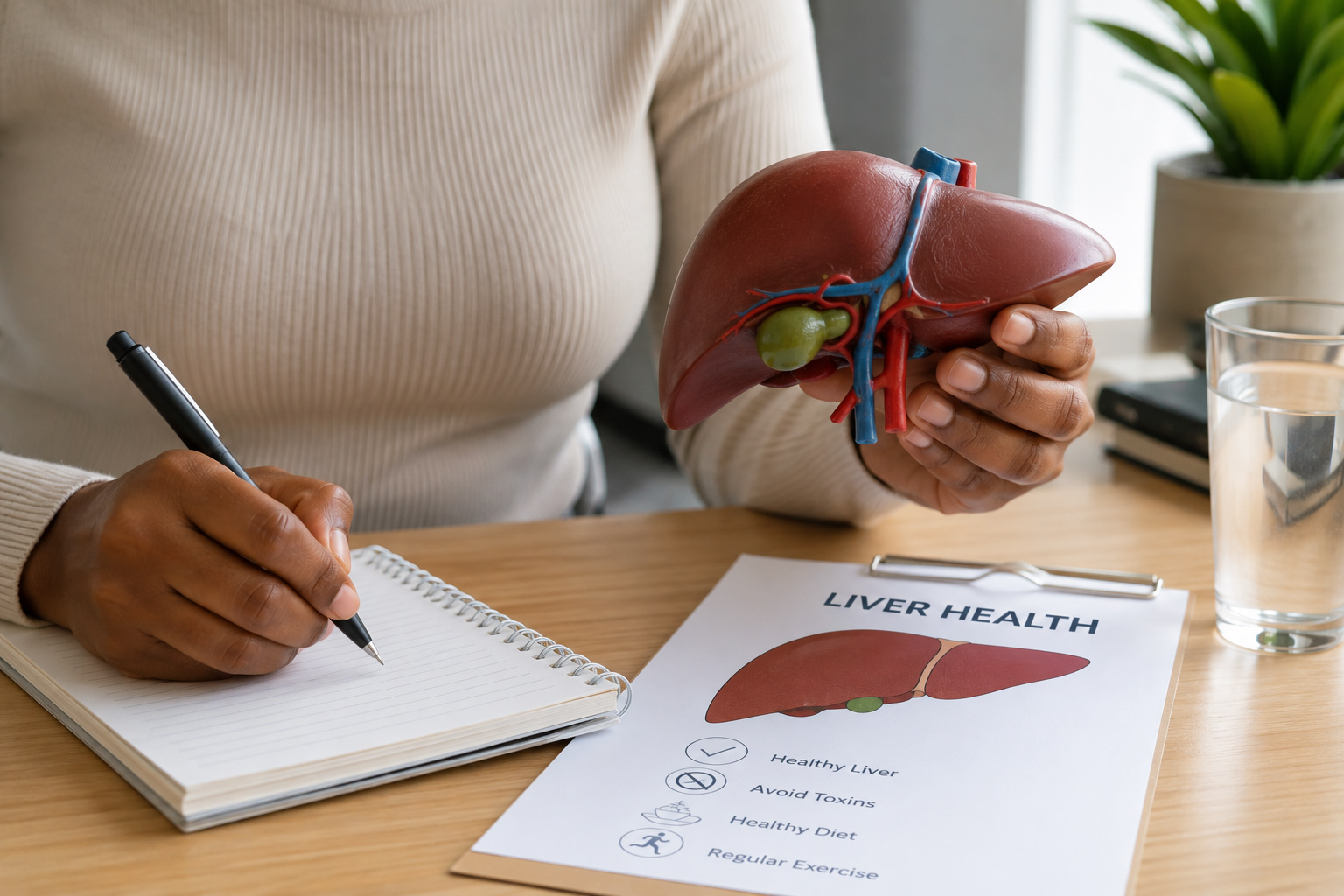
Hepatitis is inflammation of the liver.
The liver performs hundreds of essential functions, including:
- Filtering toxins from the blood
- Producing bile to aid digestion
- Storing vitamins and minerals
- Helping regulate blood sugar
- Processing medications
When the liver becomes inflamed, these important functions can be affected.
What Causes Hepatitis?
Hepatitis can have several causes, including:
- Viral infections
- Excessive alcohol consumption
- Certain medications
- Autoimmune diseases
- Fatty liver disease
The most common infectious forms are Hepatitis A, B and C.
Understanding the Different Types
Hepatitis A
Hepatitis A is usually spread through contaminated food or water or close contact with an infected person.
Most people recover completely without long-term liver damage.
Vaccination is available and provides effective protection.
Hepatitis B
Hepatitis B spreads through contact with infected blood and certain body fluids.
It can be transmitted:
- From mother to baby during birth
- Through unprotected sexual contact
- By sharing needles or other sharp instruments
- Through unsafe medical procedures
Many adults recover completely, but some develop chronic hepatitis, increasing the risk of liver disease.
Vaccination offers excellent protection.
Hepatitis C
Hepatitis C is mainly spread through blood-to-blood contact.
Unlike Hepatitis A and B, there is currently no vaccine for Hepatitis C.
However, highly effective treatments are available that can cure most infections when diagnosed early.
What Are the Symptoms?
Many people have no symptoms, especially during the early stages.
When symptoms do occur, they may include:
- Fatigue
- Fever
- Loss of appetite
- Nausea and vomiting
- Abdominal discomfort
- Dark urine
- Pale stools
- Joint pain
- Yellowing of the skin or eyes (jaundice)
If you notice these symptoms, it’s important to seek medical advice promptly.
Who Should Consider Getting Tested?
Testing may be recommended if you:
- Have been exposed to infected blood.
- Have had unprotected sex with someone whose hepatitis status is unknown.
- Share needles or injection equipment.
- Work in healthcare.
- Have abnormal liver function tests.
- Were born to a mother with Hepatitis B.
- Have risk factors identified by your healthcare provider.
Many people are diagnosed during routine blood tests before symptoms appear.
Can Hepatitis Be Prevented?
Yes.
Simple preventative measures include:
- Receiving recommended Hepatitis A and B vaccinations.
- Practising safe sex.
- Avoiding sharing needles or razors.
- Ensuring tattoos and piercings are performed using sterile equipment.
- Practising good hand hygiene.
- Drinking safe, clean water when travelling.
These measures can significantly reduce your risk of infection.
Looking After Your Liver
Whether you have hepatitis or simply want to keep your liver healthy, consider:
- Limiting alcohol intake.
- Maintaining a healthy weight.
- Eating a balanced diet.
- Exercising regularly.
- Taking medications only as directed.
- Attending routine medical check-ups.
A healthy liver supports your overall wellbeing.
How TruMD Can Help
If you’re concerned about hepatitis, have symptoms or believe you’ve been exposed, TruMD makes it easy to speak with a qualified healthcare professional.
During an online consultation, a healthcare provider can assess your risk, discuss your symptoms and determine whether blood tests or further investigations are recommended.
Early diagnosis allows treatment to begin sooner and can prevent long-term complications.
Protect Your Liver, Protect Your Health
Many forms of hepatitis are preventable, and early diagnosis can make a significant difference.
This World Hepatitis Day, take a moment to learn your risk, protect your liver and encourage those around you to do the same.
Speak to a Healthcare Professional
If you’re concerned about hepatitis or would like advice about testing, TruMD allows you to consult with a qualified healthcare professional from the comfort of your home.
Taking action today could protect your health for years to come.