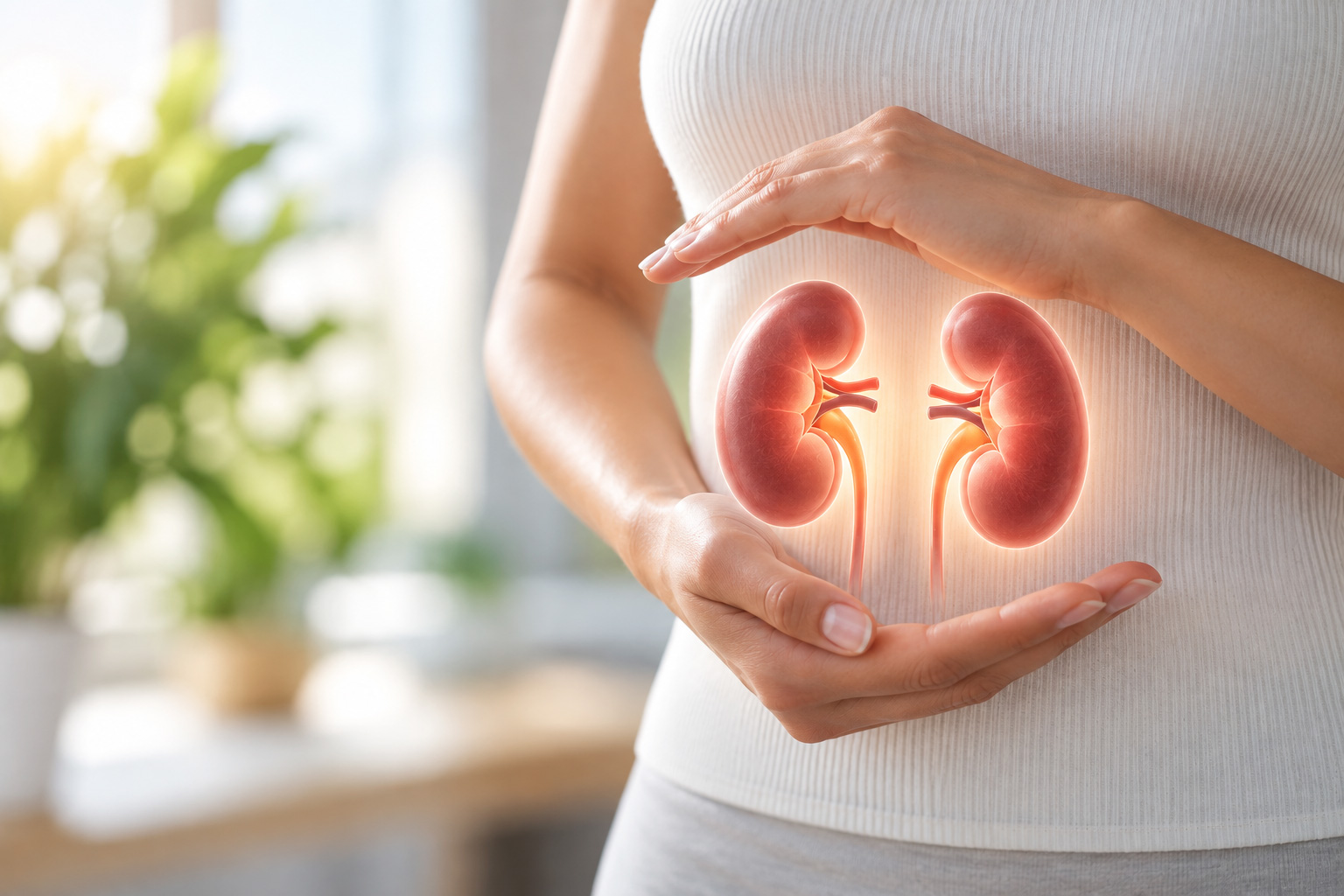
Kidney Disease Can Be Silent: Who Should Get Checked and What to Watch For
gradually lose their ability to filter the blood effectively.
In its early stages, kidney disease often causes no noticeable symptoms at all. For many people, blood and urine tests may be the first indication that something is wrong.
This is one of the reasons routine health checks are particularly important for people who have known risk factors.
Who is more at risk?
Anyone can develop kidney disease, but your risk may be higher if you have:
- Diabetes
- High blood pressure
- Heart or cardiovascular disease
- A family history of kidney disease or kidney failure
Diabetes and high blood pressure are two of the most common causes of chronic kidney disease in adults. Over time, high blood sugar and elevated blood pressure can damage the small blood vessels and filtering structures inside the kidneys.
If you live with either of these conditions, keeping them well controlled is therefore important not only for your general health but for protecting your kidneys too.
Signs that shouldn’t be ignored
Although early kidney disease may have no symptoms, symptoms can become more noticeable as kidney function declines.
These can include:
- Swelling around the feet, ankles or legs
- Feeling unusually tired
- Changes in how frequently you urinate
- Foamy urine
- Persistent itching or dry skin
- Muscle cramps
- Poor appetite
- Nausea
- Difficulty concentrating
- Shortness of breath in more advanced disease
These symptoms do not automatically mean that you have kidney disease. Many can occur with other medical conditions too, which is why it is important to discuss persistent or unexplained symptoms with a healthcare professional rather than trying to diagnose yourself.
How are your kidneys checked?
Kidney function can usually be assessed using relatively simple tests.
A healthcare professional may recommend a blood test to measure creatinine and estimate your glomerular filtration rate (eGFR), which helps indicate how effectively your kidneys are filtering your blood.
A urine test can also look for albumin, a type of protein. Higher-than-expected levels of albumin in the urine may indicate kidney damage.
People with conditions such as diabetes or hypertension may need kidney function checked periodically, even if they feel completely well.
Protecting your kidney health
There is no single lifestyle change that guarantees you will never develop kidney disease, but taking care of your overall health can help protect your kidneys.
This includes managing your blood pressure and blood sugar, staying physically active, following a balanced diet, maintaining a healthy weight and taking prescribed medication as directed.
It is also important to tell your healthcare provider about all medication and supplements you use, including over-the-counter products and traditional or herbal remedies. Some medicines can affect kidney function, particularly in people who already have kidney problems.
Don’t wait for symptoms before checking your health
Kidney disease is a good example of why feeling healthy does not always tell the whole story.
If you have diabetes, high blood pressure, cardiovascular disease, a family history of kidney problems or concerns about changes in your health, speak to a healthcare professional about whether kidney testing may be appropriate for you.
Early identification gives you and your healthcare team an opportunity to manage underlying conditions and take steps to protect your remaining kidney function.
Speak to a TruMD healthcare professional
You don’t necessarily need to wait in a consulting room to start the conversation.
With TruMD, you can speak to a qualified healthcare professional online about symptoms, existing conditions, medications and any concerns you may have about your kidney health.
Where necessary, your healthcare professional can advise whether further investigation, blood or urine testing, or an in-person assessment is appropriate.
Take care of the organs that quietly take care of you.
Consult with TruMD today for convenient, professional healthcare wherever you are.