Don’t Ignore Changes in Your Vision: Eye Symptoms That Need Attention
Our eyesight changes throughout life.
Sometimes the change is as simple as needing a new pair of glasses. Other times, changes in vision can be an early warning sign of an eye condition that needs treatment.
The challenge is knowing which symptoms can wait for a routine eye examination and which should be treated more urgently.
With World Retina Week from 22–28 September and Eye Care Awareness Month beginning on 23 September, it is a good time to pay closer attention to your eye health.
Why regular eye care matters
Good vision is about more than being able to read the smallest line on an eye chart.
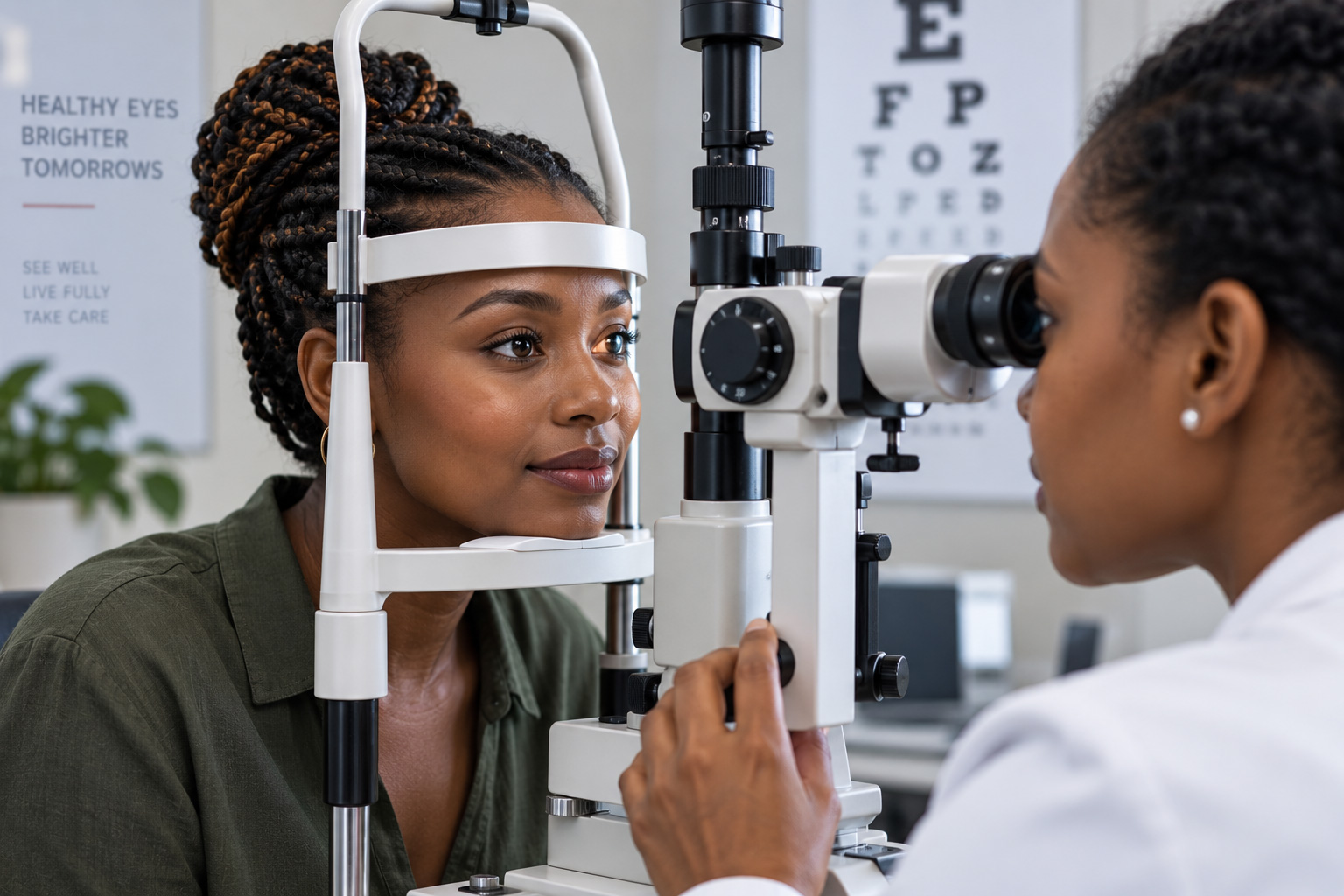
Eye examinations can identify common vision problems such as short-sightedness, long-sightedness and astigmatism, but they can also help detect conditions that may threaten sight if they are not treated.
Globally, refractive errors and cataracts remain leading causes of vision impairment. Other important causes include glaucoma, diabetic retinopathy and age-related macular degeneration.
Some eye diseases develop gradually and may cause very few symptoms in their early stages.
This means waiting until your eyesight becomes noticeably poor is not always the best approach.
Blurred vision
Blurred vision is extremely common and has many possible causes.
Sometimes it simply means that your glasses or contact lens prescription needs to be updated.
However, blurred vision can also occur with:
- Dry eyes
- Cataracts
- Diabetes
- Eye infections
- Glaucoma
- Retinal conditions
- Migraine
- Certain medications
Blurred vision that develops gradually should still be discussed with an optometrist or healthcare professional, particularly if it is becoming progressively worse.
Sudden loss or significant blurring of vision is different and should be assessed urgently.
What are floaters?
Floaters are small shapes that seem to drift across your field of vision.
People describe them as:
- Small dots
- Specks
- Threads
- Squiggly lines
- Cobweb-like shapes
They are particularly noticeable when looking at something bright, such as a white wall or blue sky.
A few longstanding floaters are common and are often harmless.
However, a sudden appearance of many new floaters deserves attention, especially when accompanied by flashing lights or changes in vision.
What about flashes of light?
Flashes may look like brief streaks, sparks or flashes of light in your vision.
They can occur when the gel-like substance inside the eye changes and pulls on the retina.
Although flashes are not always caused by a serious problem, new or suddenly increasing flashes need to be assessed because they can sometimes occur with a retinal tear or retinal detachment.
Understanding the retina
The retina is a thin layer of light-sensitive tissue at the back of the eye.
It receives light entering the eye and helps convert that information into signals that are sent to the brain, allowing us to see.
When the retina becomes damaged or separates from its normal position, vision can be threatened.
One particularly important condition is retinal detachment.
Signs of retinal detachment
Retinal detachment happens when the retina pulls away from its normal position at the back of the eye.
It can lead to permanent vision loss if it is not treated promptly.
Warning signs can include:
- A sudden increase in floaters
- New flashes of light
- Sudden blurred vision
- A dark shadow in your vision
- A curtain-like effect moving across your field of vision
- Loss of peripheral or side vision
Retinal detachment is considered a medical emergency. If you develop these symptoms suddenly, seek urgent eye or emergency medical care rather than waiting to see whether they disappear.
Diabetes can affect your eyes too
Diabetes does not only affect blood sugar.
Over time, high blood glucose levels can damage small blood vessels throughout the body, including those supplying the retina.
This can lead to diabetic retinopathy.
In its early stages, diabetic retinopathy may not cause obvious symptoms. As the condition progresses, it can result in blurred vision, dark areas in the vision, floaters or vision loss.
This is why regular eye examinations are particularly important for people living with diabetes.
WHO identifies diabetic retinopathy as an important cause of vision impairment and notes that early detection and timely treatment are important for preventing avoidable vision loss.
Glaucoma can be difficult to notice
Glaucoma refers to a group of eye conditions that damage the optic nerve.
One of the difficulties with some forms of glaucoma is that vision can deteriorate gradually, meaning a person may not notice anything is wrong until considerable damage has occurred.
Regular eye examinations can help identify people who may require additional testing or monitoring.
Your risk can be influenced by factors such as age, family history and certain medical conditions.
Cataracts
A cataract occurs when the normally clear lens inside the eye becomes cloudy.
It often develops gradually with age.
Symptoms can include:
- Cloudy or blurred vision
- Difficulty seeing at night
- Increased sensitivity to bright light
- Colours appearing faded
- Needing stronger light for reading
- Frequent changes in spectacle prescription
Unlike some retinal conditions, cataracts usually develop slowly rather than causing a sudden change in vision.
Fortunately, cataracts can often be treated effectively with surgery when they begin significantly affecting daily activities.
Don’t ignore eye pain
Eye pain has many possible causes, ranging from irritation and infection to more serious eye conditions.
Seek medical attention promptly if eye pain is:
- Severe
- Sudden
- Associated with reduced vision
- Accompanied by significant redness
- Associated with nausea or vomiting
- Caused by an injury or chemical exposure
If chemicals enter the eye, immediately rinse the eye thoroughly with clean water and seek urgent medical advice.
What about red eyes?
Red eyes are common and are often caused by relatively minor issues such as irritation, allergies, dry eyes or conjunctivitis.
But redness deserves more urgent assessment when it occurs together with:
- Significant pain
- Light sensitivity
- Reduced or blurred vision
- Eye injury
- Severe headache
- Nausea or vomiting
A red eye with normal vision and mild irritation is very different from a painful red eye accompanied by vision changes.
Protecting your eyesight
Not every eye condition can be prevented, but there are several things you can do to support good eye health.
These include:
- Attending regular eye examinations
- Managing diabetes and high blood pressure
- Wearing appropriate eye protection during hazardous work or activities
- Wearing UV-protective sunglasses outdoors
- Avoiding smoking
- Following contact lens hygiene instructions
- Taking regular breaks from prolonged close-up screen work
- Seeking medical attention when vision changes occur
WHO also notes that managing conditions such as diabetes and hypertension can help reduce the risk of certain eye diseases.
When is a vision change an emergency?
Seek urgent medical care if you experience:
- Sudden loss of vision
- A sudden shower of new floaters
- Flashes of light that appear suddenly
- A dark curtain or shadow across your vision
- Sudden significant blurring
- Severe eye pain with vision changes
- An eye injury followed by changes in vision
These symptoms should not wait for a routine appointment.
With retinal detachment in particular, early treatment can help prevent permanent loss of vision.
Your eyes deserve regular attention
We rely on our eyesight every day, yet eye health is often something we only think about when something goes wrong.
Regular eye examinations and paying attention to changes in your vision can help identify problems earlier.
And when something changes suddenly, getting the right medical attention quickly can make an important difference.
Speak to a TruMD healthcare professional
If you are experiencing eye irritation, redness, changes in vision or another eye-related concern, TruMD gives you convenient access to qualified healthcare professionals online.
A healthcare professional can discuss your symptoms and advise whether you need routine eye care, an optometrist or ophthalmologist assessment, or urgent in-person treatment.
Certain eye conditions cannot be diagnosed properly through an online consultation alone, so you may be referred for an appropriate eye examination where necessary.
Don’t ignore changes in your eyesight.
When it comes to protecting your vision, knowing when to get checked matters.