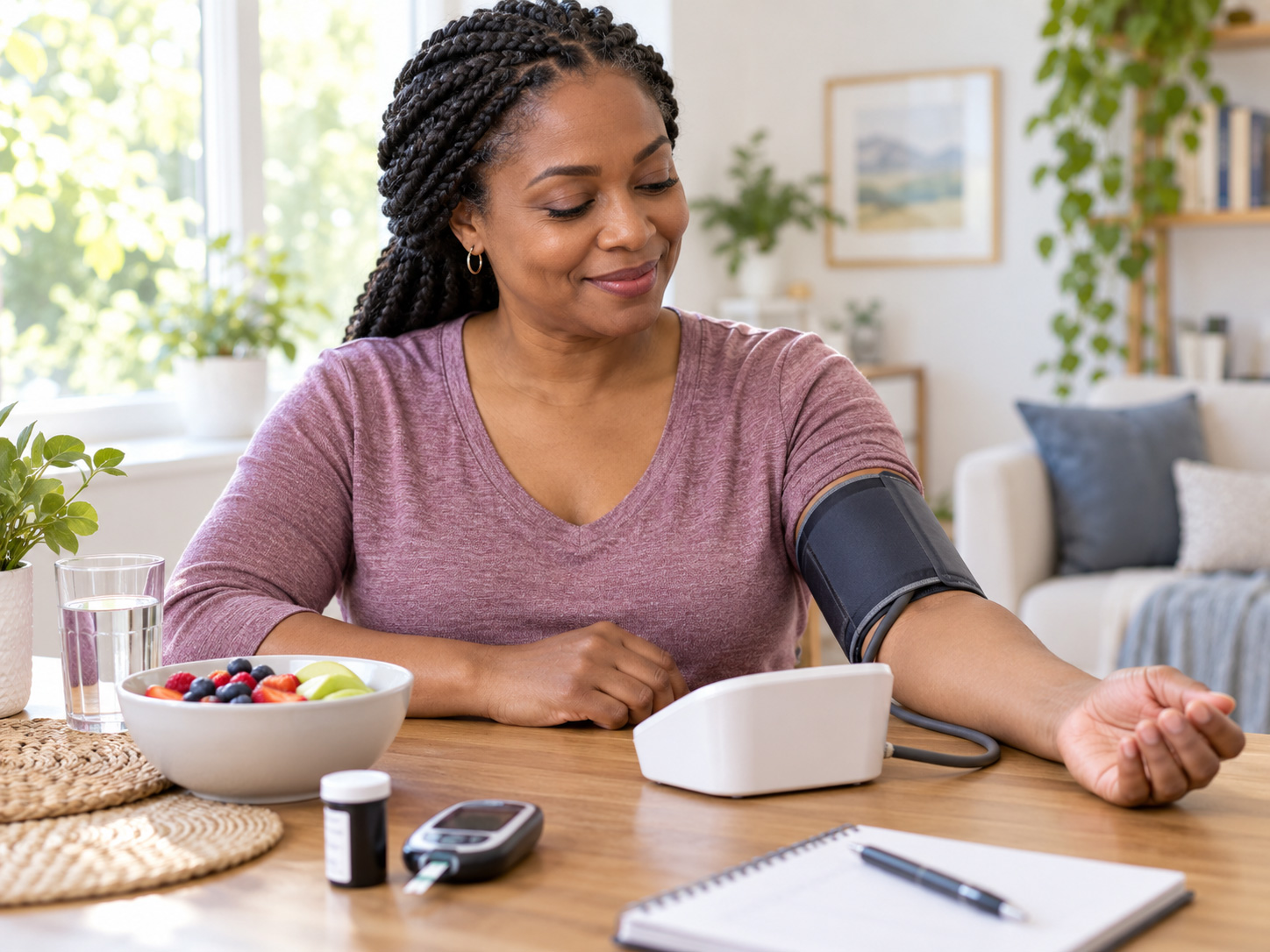
Know Your Numbers: Blood Pressure, Cholesterol and Your Heart Health
You probably know your phone number, your ID number and perhaps even your car registration.
But do you know your blood pressure?
What about your cholesterol or blood sugar?
These numbers can tell you a great deal about your risk of developing cardiovascular disease — often long before you feel unwell.
For World Heart Day on 29 September, and during South Africa’s Heart Awareness Month, it is a good time to check in on the numbers that matter to your heart.
Heart disease can develop quietly
Cardiovascular disease refers to a group of conditions affecting the heart and blood vessels.
These include:
- Coronary heart disease
- Heart attacks
- Stroke
- Heart failure
- Other diseases affecting the heart and circulation
Cardiovascular diseases remain the leading cause of death globally. WHO estimates that approximately 19.8 million people died from cardiovascular disease in 2022, with heart attacks and strokes accounting for most of those deaths.
The important part is that many of the major risk factors for cardiovascular disease can be identified and managed before a serious event occurs.
Number 1: Your blood pressure
Blood pressure measures the force of blood against the walls of your blood vessels as your heart pumps.
It is recorded as two numbers.
The first is your systolic pressure, which measures the pressure when your heart contracts.
The second is your diastolic pressure, which measures the pressure while your heart rests between beats.
One of the biggest problems with high blood pressure — or hypertension — is that you may feel completely normal while it is causing damage.
In fact, the only reliable way to know whether your blood pressure is high is to have it measured.
Why does high blood pressure matter?
When blood pressure remains too high over time, it places additional strain on your blood vessels and organs.
Uncontrolled hypertension can increase the risk of:
- Heart attack
- Stroke
- Heart failure
- Kidney disease
- Damage to the eyes
The Heart and Stroke Foundation South Africa recommends having your blood pressure checked regularly or as advised by your healthcare professional.
High blood pressure becomes more common with age, but it is not only something older people need to think about.
Family history, inactivity, excess salt intake, smoking, being overweight and consuming too much alcohol can all contribute to your risk.
Number 2: Your cholesterol
Cholesterol is a fatty substance found naturally in your blood.
Your body needs some cholesterol to function normally, but having unhealthy levels of certain blood fats can contribute to the build-up of fatty deposits inside your arteries.
Over time, these deposits can narrow or block blood vessels and increase the risk of heart attack and stroke.
When you have a cholesterol test, you may see several different measurements rather than one single number.
These can include:
- Total cholesterol
- LDL cholesterol
- HDL cholesterol
- Triglycerides
Your healthcare professional will interpret these results together with other factors such as your age, blood pressure, smoking history, diabetes status and family history.
This is important because your cardiovascular risk is about the whole picture, not just one laboratory result.
Number 3: Your blood sugar
Diabetes and heart health are closely connected.
Persistently high blood glucose can damage blood vessels over time and increase the risk of cardiovascular disease.
You may be at increased risk of developing type 2 diabetes if you have factors such as:
- A family history of diabetes
- Being overweight or obese
- Physical inactivity
- Previous gestational diabetes
- High blood pressure
- Increasing age
Blood glucose testing can help identify diabetes or prediabetes, sometimes before obvious symptoms develop.
WHO identifies raised blood pressure, raised blood glucose and abnormal blood lipids among the major metabolic risk factors associated with cardiovascular disease.
You cannot feel your cholesterol level
This is an important point.
High blood pressure, high cholesterol and elevated blood glucose can all exist without obvious symptoms.
You cannot reliably judge these numbers based on how healthy or energetic you feel.
Someone who exercises, feels well and has no obvious symptoms can still have an elevated cardiovascular risk because of factors such as genetics, family history or an underlying medical condition.
That is why preventative health checks are useful.
Family history matters
Lifestyle is important, but it is not the entire story.
Some cardiovascular risk factors cannot be changed.
These include:
- Your age
- Certain genetic conditions
- Your family history
The Heart and Stroke Foundation South Africa notes that having a close relative who developed heart disease at a relatively young age can indicate an increased risk.
This does not mean heart disease is inevitable.
It simply means you may benefit from being more proactive about checking and managing the risk factors that can be changed.
Smoking and your heart
Smoking is a major preventable risk factor for cardiovascular disease.
Tobacco use damages blood vessels and contributes to the development of heart disease and stroke.
Second-hand smoke exposure is also harmful.
If you smoke, quitting is one of the most valuable changes you can make for your cardiovascular health.
WHO includes stopping tobacco use among the measures shown to reduce cardiovascular disease risk.
Movement doesn’t have to mean becoming an athlete
Regular physical activity supports heart health in several ways.
It can help with:
- Blood pressure
- Blood glucose control
- Weight management
- Cardiovascular fitness
- Stress management
You do not have to train for a marathon.
Walking, cycling, swimming, dancing, active gardening and other forms of regular movement can all contribute.
What matters most is making physical activity a consistent part of your routine.
If you have an existing heart condition or have been inactive for a long time, speak to a healthcare professional before suddenly beginning very strenuous exercise.
Look at what is on your plate
A heart-conscious eating pattern does not need to involve extreme dieting.
Simple habits can make a difference.
Try to include more:
- Vegetables
- Fruit
- Whole grains
- Beans and legumes
- Nuts and seeds
- Fish and other appropriate lean protein sources
At the same time, be mindful of foods containing large amounts of:
- Salt
- Added sugar
- Saturated and trans fats
- Highly processed ingredients
High salt intake is particularly relevant to blood pressure.
WHO recommends reducing salt intake, eating more fruit and vegetables and maintaining a healthy diet as part of cardiovascular disease prevention.
What about alcohol?
Alcohol is sometimes discussed as if small amounts are automatically good for the heart.
That is not a reason to start drinking.
Harmful alcohol use is recognised as a cardiovascular risk factor, and drinking can also contribute to raised blood pressure, weight gain and other health problems.
If you drink alcohol, moderation matters.
If you do not drink, there is no need to start drinking for supposed heart-health benefits.
Medication only works when you take it
If you have already been diagnosed with high blood pressure, high cholesterol or diabetes, taking prescribed medication consistently is an important part of protecting your cardiovascular health.
Do not stop medication simply because you feel well or because your numbers have improved.
The improvement may be happening because the treatment is working.
The Heart and Stroke Foundation South Africa advises that blood-pressure medication should be taken as prescribed and should not be stopped or changed unless advised by a doctor.
If you experience side effects or have concerns about your medication, discuss them with your healthcare professional rather than making changes on your own.
Know the warning signs of a heart attack
Heart disease may develop quietly, but a heart attack requires urgent medical attention.
Possible warning signs can include:
- Pain, pressure, heaviness or discomfort in the chest
- Pain spreading to the arm, shoulder, jaw, back or upper abdomen
- Shortness of breath
- Sweating
- Nausea
- Dizziness or light-headedness
- Sudden unusual weakness
Symptoms do not always look exactly the same in everyone.
If you suspect that you or someone else may be having a heart attack, seek emergency medical assistance immediately.
Do not wait to see whether the symptoms disappear.
Small changes still count
Heart health can sometimes feel like an enormous list of things you are supposed to change.
You do not have to transform your entire lifestyle overnight.
Start with what you can control.
That might mean:
- Having your blood pressure checked
- Booking a cholesterol test
- Walking more frequently
- Reducing the amount of salt you add to food
- Stopping smoking
- Taking prescribed medication consistently
- Managing diabetes properly
- Attending routine health checks
Small improvements across several risk factors can add up over time.
Do you know your numbers?
World Heart Day is a useful reminder that looking after your heart should begin before there is a problem.
Ask yourself:
When did I last have my blood pressure checked?
Do I know my cholesterol?
Have I had my blood sugar checked when appropriate?
Do I know whether heart disease runs in my family?
If you do not know the answers, this may be a good time to find out.
Speak to a TruMD healthcare professional
With TruMD, you can speak to a qualified healthcare professional online about your blood pressure, cholesterol, diabetes, medication or other cardiovascular risk factors.
Your healthcare professional can review your symptoms and medical history, explain your results and advise whether blood tests, blood-pressure monitoring or an in-person assessment may be appropriate.
If you already live with hypertension, high cholesterol or diabetes, regular monitoring can also help ensure that your treatment remains appropriate.
Your heart works for you every day. Give it the same attention in return.
This World Heart Day, start by knowing your numbers.