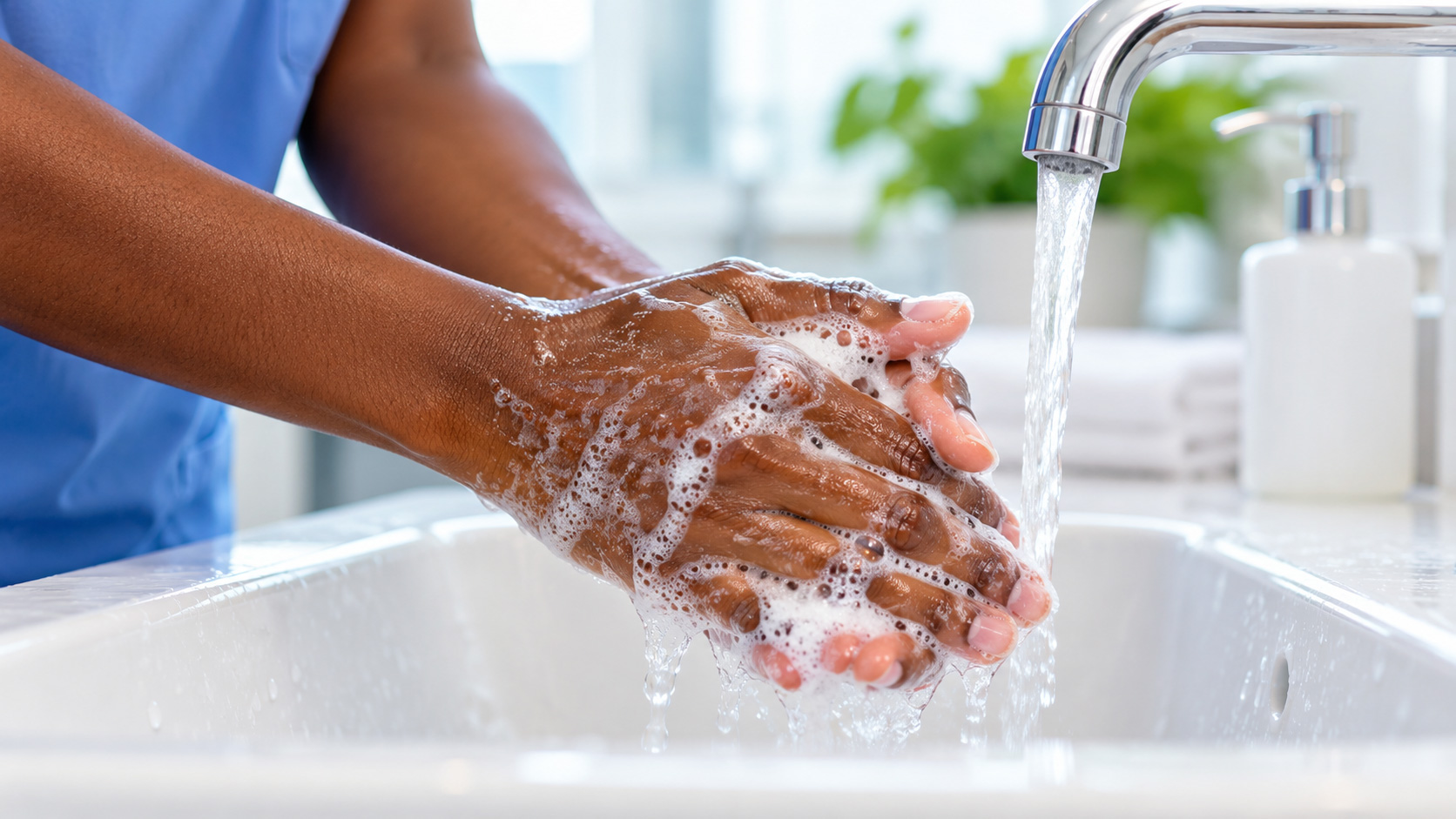
Clean Hands, Fewer Infections: Why Handwashing Still Matters
It is one of the first things we teach children, and one of the first habits adults let slip. Washing your hands with soap and water might seem too simple to matter, but it remains one of the most effective ways to stop the spread of illness.
Global Handwashing Day is on 15 October, during School Health Week. It is a timely reminder for families, schools and workplaces alike.
Why handwashing matters
Our hands touch countless surfaces every day: door handles, taxi rails, cellphones, money, shopping trolleys and other people’s hands. Germs from these surfaces can then reach our eyes, nose and mouth without us noticing.
Handwashing with soap helps reduce the spread of:
- Diarrhoea and gastro
- Colds, flu and other respiratory infections
- Eye infections such as conjunctivitis
- Skin infections
- Some worm infections
For young children, older adults and people with weakened immune systems, these infections can be serious. Diarrhoea in particular can lead to dehydration quickly in babies and small children.
When should you wash your hands?
Wash your hands:
- Before, during and after preparing food
- Before eating or feeding a child
- After using the toilet
- After changing a nappy or helping a child use the toilet
- After blowing your nose, coughing or sneezing
- After touching animals, animal food or animal waste
- After handling rubbish
- Before and after caring for someone who is sick
- Before and after treating a cut or wound
- When you get home from public places
How to wash your hands properly
A quick rinse is not enough. Soap needs time and friction to work.
- Wet your hands with clean running water
- Apply soap and lather well
- Rub your palms together
- Rub the back of each hand with the opposite palm
- Interlace your fingers and rub between them
- Scrub your thumbs and fingertips, including under the nails
- Keep scrubbing for at least 20 seconds, about as long as singing “Happy Birthday” twice
- Rinse well under clean running water
- Dry with a clean towel or air dry
Shared cloth towels can spread germs, so make sure towels at home are washed regularly.
What if there is no running water?
Water shortages and outages are a reality for many South African households. If running water is not available:
- Use a jug or a simple “tippy tap” to pour water over your hands, rather than dipping hands into a shared bowl
- Any ordinary soap works. Antibacterial soap is not necessary
- Store water for handwashing in a clean, covered container
What about hand sanitiser?
Hand sanitiser is useful when soap and water are not available. Choose one that contains at least 60% alcohol, use enough to cover all surfaces of your hands, and rub until dry.
However, sanitiser does not work as well when hands are visibly dirty or greasy, and it does not remove all types of germs. Soap and water remain the best choice when available.
Teaching children good habits
Children learn best through routine and example.
- Wash your hands together, so they can copy you
- Make it fun with a song or a timer
- Keep a step or stool at the basin so they can reach
- Remind them before meals and after using the toilet
- Praise them when they remember on their own
Good handwashing habits can help reduce illness-related absence from school, which means less disruption for children and working parents.
Handwashing at work
In the workplace, clean hands help reduce the spread of colds, flu and stomach bugs between colleagues. Employers can help by making sure bathrooms and kitchens are stocked with soap and that sanitiser is available in shared spaces.
When to see a doctor
Most mild stomach bugs and colds clear up on their own. Speak to a healthcare professional if:
- Diarrhoea or vomiting lasts more than two days in an adult, or more than a day in a child
- There are signs of dehydration, such as a dry mouth, very little urine, dizziness, or a baby with fewer wet nappies than usual
- There is blood in the stool
- A high fever does not come down
- Symptoms are getting worse instead of better
Seek urgent care for a baby or young child who is very drowsy, floppy or not drinking.
Speak to a TruMD healthcare professional
If you or your child are unwell with a tummy bug, cold or infection, a TruMD healthcare professional can assess symptoms, advise on care at home, prescribe medication where needed, and provide a sick note for school or work.
Clean hands protect you and everyone around you. This Global Handwashing Day, make it a habit for the whole family.