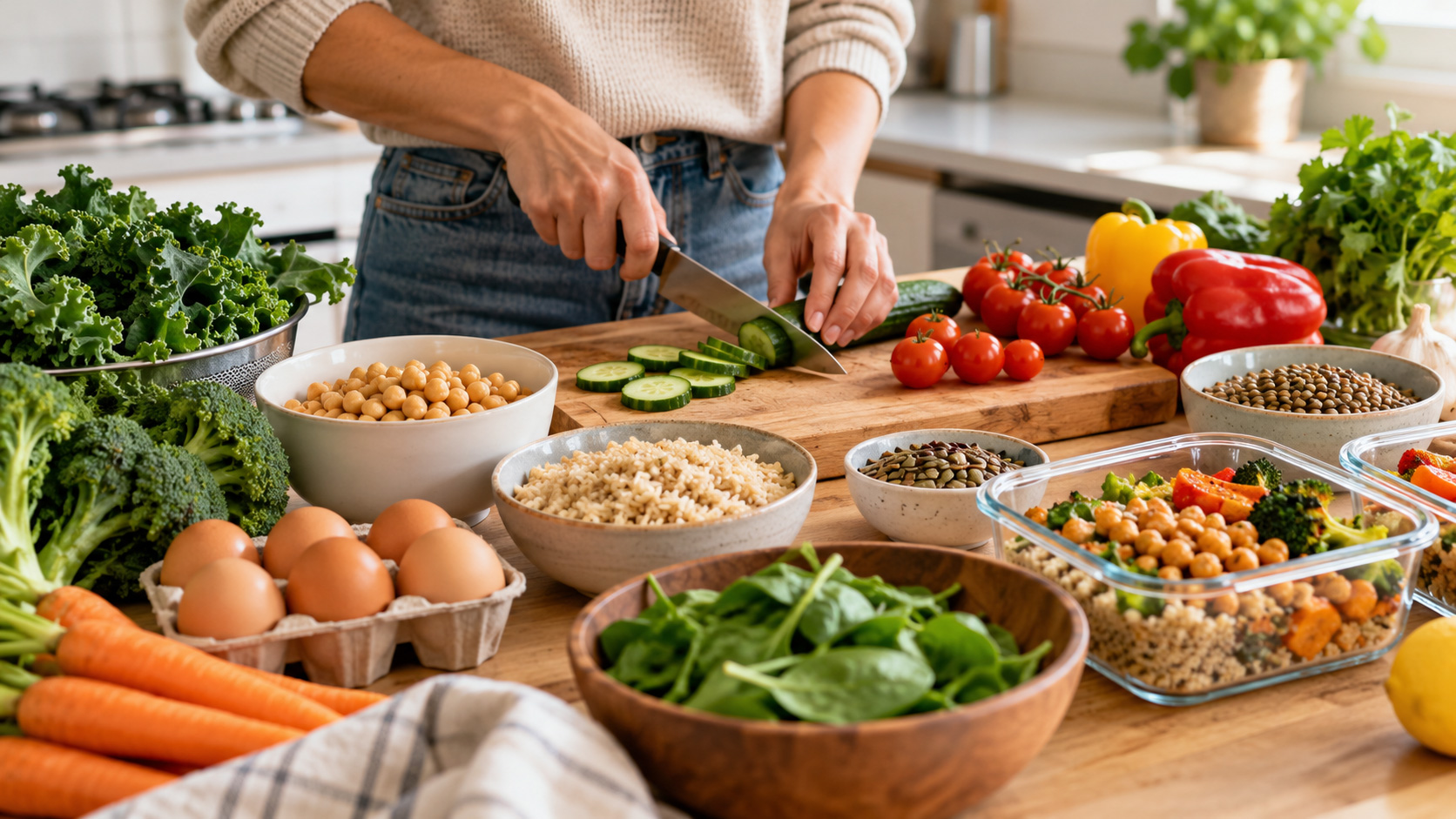
Eating Well on a Budget: Practical Nutrition Tips for South African Families
With food prices climbing, many families are having to stretch every rand further. It can feel as though healthy food is a luxury. But some of the most nutritious foods available are also some of the most affordable.
National Nutrition Week runs from 9 to 15 October, followed by World Food Day on 16 October. Here are practical ways to eat well without overspending.
Start with the basics
South Africa’s food-based dietary guidelines offer a simple framework for healthy eating. They include enjoying a variety of foods, eating plenty of vegetables and fruit every day, eating dry beans, split peas, lentils and soya regularly, and using salt, sugar and fat sparingly. Drinking lots of clean, safe water and staying active are part of the picture too.
You do not need special products or expensive superfoods to follow these guidelines.
Make beans and lentils your best friends
Dried beans, lentils, split peas and soya are among the best-value foods you can buy. They are high in protein and fibre, they keep you full, and they are cheap.
- Add lentils to mince to make it go further
- Make a big pot of bean soup or curry to last a few meals
- Use split peas in stews and soups
- Buy dried beans in bulk and soak them overnight. They cost less than tinned beans
Affordable protein options
Protein does not have to mean expensive cuts of meat. Good-value options include:
- Eggs: versatile, filling and quick to cook
- Pilchards and sardines: tinned fish is affordable and a good source of protein, omega-3 fats and calcium, especially when you eat the soft bones
- Chicken: buy whole chickens or larger packs and portion them yourself
- Peanut butter: a good source of protein and healthy fats, but choose one without added sugar if possible
- Maas, yoghurt and milk: good for protein and calcium
Vegetables and fruit without the high price tag
- Buy what is in season, as it is usually cheaper and fresher
- Choose hardy, affordable vegetables such as cabbage, carrots, pumpkin, butternut, spinach and onions
- Frozen vegetables are just as nutritious as fresh and reduce waste
- Shop at local markets or street vendors, where prices are often lower
- If you have space, grow your own spinach, herbs or tomatoes in a small garden or containers
Choose whole grains where you can
Starchy foods such as maize meal, rice, bread and potatoes are part of most South African meals. Where possible, choose higher-fibre options like brown bread, oats, unrefined maize meal and potatoes with the skin on. Fibre helps with digestion and keeps you feeling full for longer.
Oats are a particularly good buy. A bag of oats makes many affordable, filling breakfasts.
Watch the salt, sugar and processed foods
Processed foods, takeaways and sugary drinks often cost more than people realise, and they are linked to high blood pressure, weight gain and type 2 diabetes.
- Swap fizzy drinks and juices for water
- Use herbs, garlic, onion and spices for flavour instead of extra salt and stock cubes
- Cut back on processed meats such as polony, viennas and russians
- Limit chips, sweets and biscuits to occasional treats
If you are keeping an eye on your blood pressure or cholesterol, these swaps make a real difference. Read our article on Know Your Numbers: Blood Pressure, Cholesterol and Your Heart Health to find out more.
Plan before you shop
A little planning can save a lot of money:
- Plan meals for the week and write a shopping list
- Check what you already have before you go to the shop
- Compare prices per kilogram, not just the price on the shelf
- Avoid shopping when you are hungry
- Buy store brands, which are often just as good as big brands
Cook once, eat twice
Cooking in bulk saves time, electricity and money. Make a big pot of stew, soup or curry and freeze portions for busy days. Leftover rice, vegetables and beans can be turned into a new meal the next day.
Feeding children well
Children need regular, balanced meals to grow and concentrate at school. Simple options like oats with milk, a boiled egg, peanut butter on brown bread, or a piece of fruit make affordable, healthy lunchbox and breakfast choices. Try to keep sugary drinks and sweets out of the lunchbox.
Speak to a TruMD healthcare professional
If you are worried about your weight, your child’s growth, or a condition such as diabetes, high blood pressure or high cholesterol, a TruMD healthcare professional can give you advice that suits your health needs and your budget, and refer you for tests or a dietitian if needed.
Eating well is not about perfection or expensive ingredients. This National Nutrition Week, start with one small, affordable change.