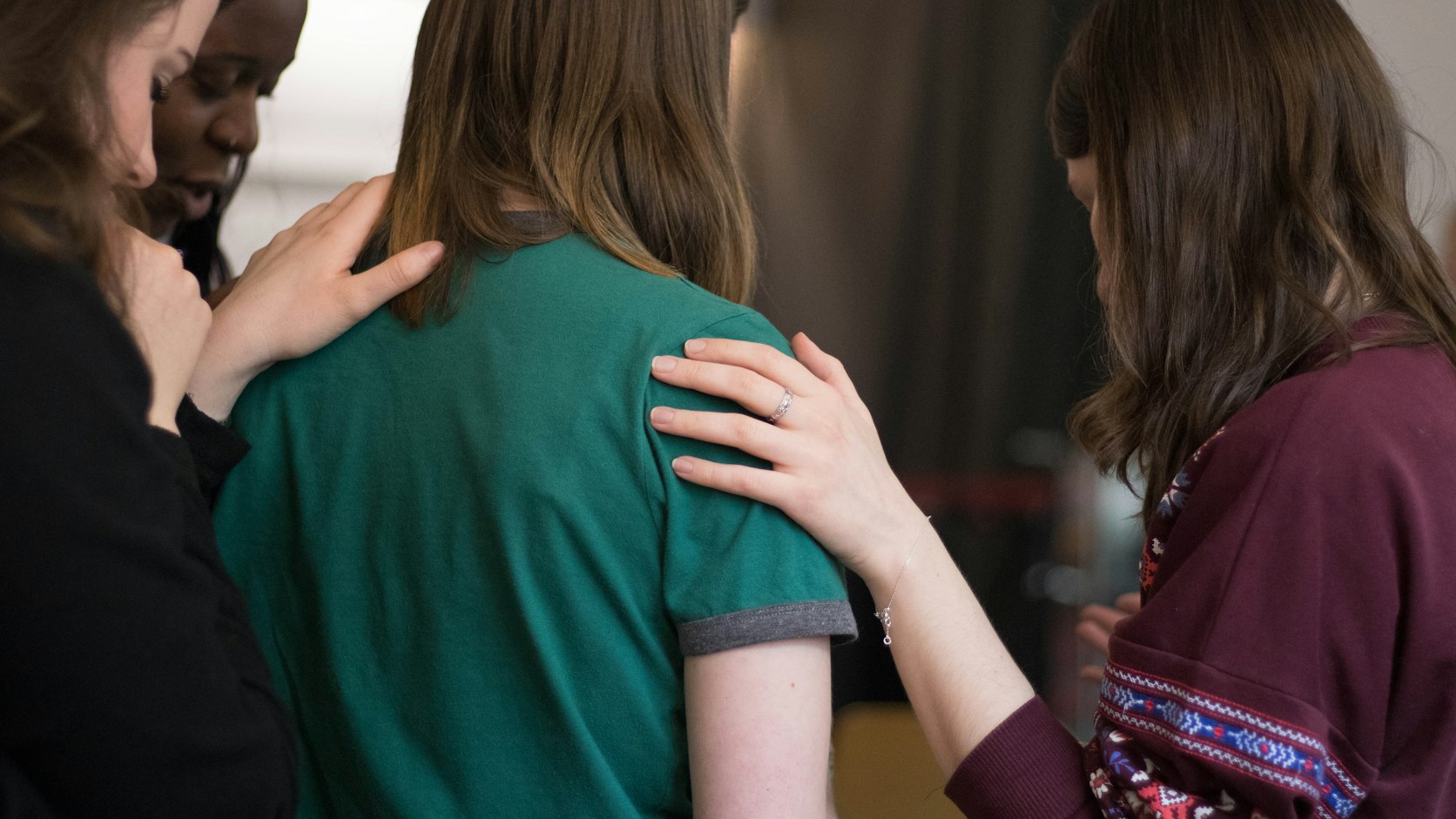
16 Days of Activism: Recognising Abuse and Knowing Where to Find Help
The 16 Days of Activism for No Violence Against Women and Children runs from 25 November to 10 December every year. It is a reminder that gender-based violence affects people in every community, and that everyone has a role to play in ending it.
Abuse is not only a safety issue. It is also a health issue, affecting physical health, mental health and wellbeing for years.
Abuse is not always physical
Many people think of abuse only as hitting or physical violence. But abuse can take many forms:
- Physical: hitting, pushing, choking, or threatening with a weapon
- Emotional or psychological: constant criticism, humiliation, threats, or making someone feel worthless
- Controlling behaviour: checking someone’s phone, isolating them from friends and family, or controlling where they go
- Sexual: any sexual activity without consent, including within a relationship or marriage
- Financial: taking someone’s money, preventing them from working, or controlling all access to money
Signs someone may be experiencing abuse
People experiencing abuse often hide it out of fear, shame or concern for their children. Signs may include:
- Unexplained injuries, or explanations that do not quite add up
- Seeming anxious, withdrawn or afraid of their partner
- Cancelling plans often or being cut off from friends and family
- Having little access to money, a phone or transport
- Changes in sleep, appetite or mood
How abuse affects health
Living with abuse can lead to injuries, chronic pain, headaches, sleep problems, anxiety, depression and post-traumatic stress. It can also make it harder to manage existing health conditions or attend medical appointments.
After a sexual assault, getting medical care as soon as possible is important. Treatment to help prevent HIV (post-exposure prophylaxis, or PEP) needs to be started within 72 hours, and emergency contraception works best when taken early. Go to your nearest hospital, clinic or Thuthuzela Care Centre.
How to support someone
- Listen without judging. Let them know you believe them
- Do not blame them or ask why they have not left. Leaving can be complicated and dangerous
- Respect their choices. Offer support, not ultimatums
- Help them find information about support services and a safety plan
- Check in regularly. Being there over time matters
Where to find help in South Africa
- GBV Command Centre: 0800 428 428 (24 hours, free). You can also dial *120*7867# from a cellphone to request a call back
- SAPS emergency: 10111
- Childline South Africa: 116
If you are in immediate danger, call 10111 or go to a safe place.
Speak to a TruMD healthcare professional
If abuse is affecting your health, you are not alone. A TruMD healthcare professional can talk with you confidentially, help with physical symptoms, sleep and anxiety, and refer you to a psychologist or other support services. TruMD’s psychologists can also help with the emotional impact of abuse, now or in the past.
Ending violence starts with speaking up, believing people when they tell us, and knowing where to point them for help.