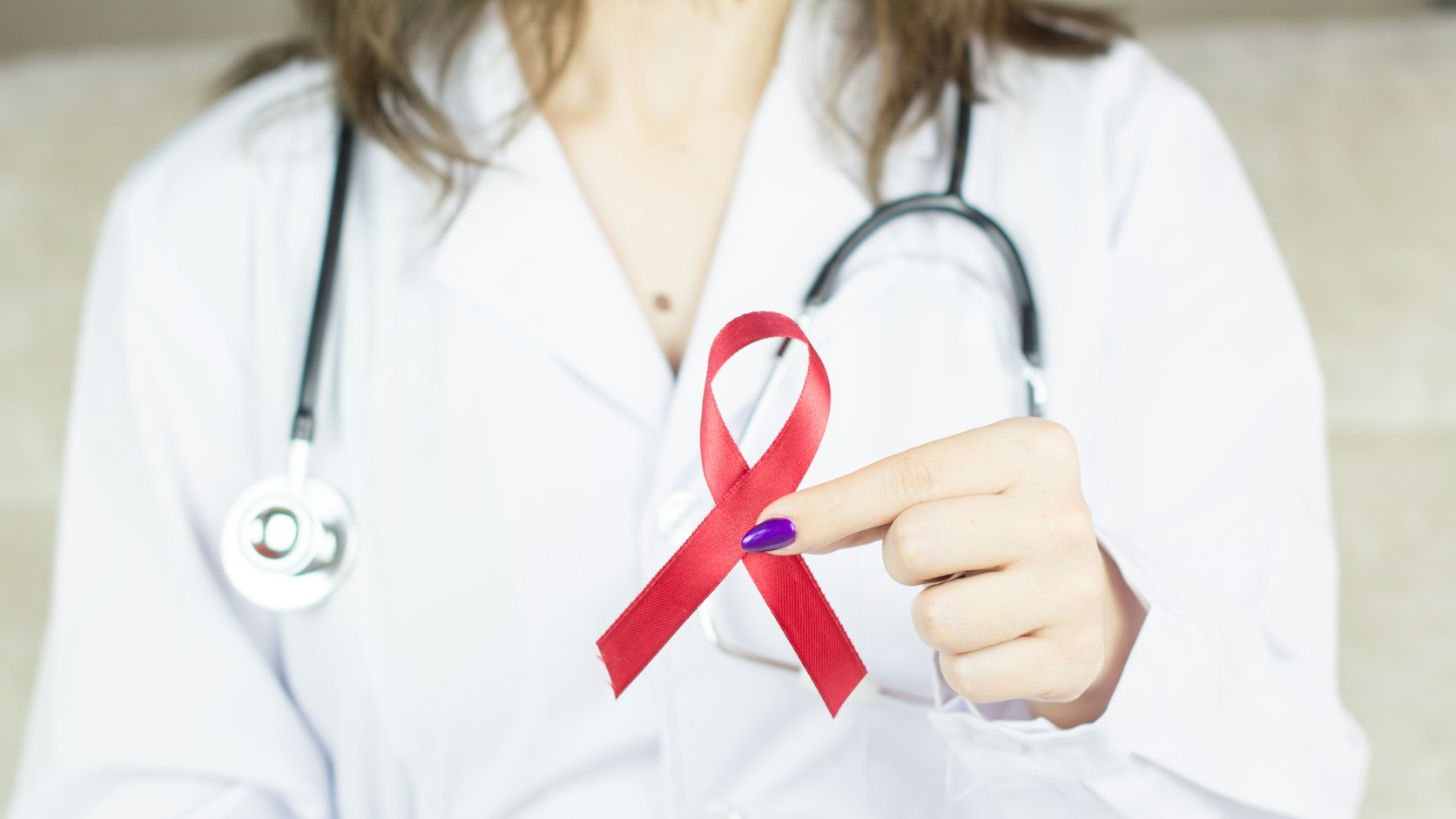
World AIDS Day: Testing, Treatment and Prevention in South Africa Today
World AIDS Day is marked on 1 December each year. It is a day to remember those we have lost, to support people living with HIV and to remind everyone that knowing your status is one of the most important things you can do for your health.
South Africa has the largest number of people living with HIV in the world, with around 7.8 million people living with the virus, according to the HSRC’s most recent national HIV survey. But HIV today is very different from HIV 20 years ago.
HIV is a manageable condition
With treatment, people living with HIV can live long, healthy lives. Antiretroviral treatment (ART) works by reducing the amount of virus in the body. When the virus is suppressed to very low levels, the immune system can recover and stay strong.
People who take their treatment consistently and have an undetectable viral load cannot pass HIV on to their sexual partners. This is often described as U=U: Undetectable = Untransmittable.
Why testing matters
Many people with HIV feel completely well for years. The only way to know your status is to test.
It is a good idea to test:
- At least once a year if you are sexually active
- More often if you have more than one partner or a partner whose status you do not know
- If you have had unprotected sex or a condom broke
- If you are pregnant or planning a pregnancy
- If you have been diagnosed with TB or another sexually transmitted infection
Testing is free at public clinics, and HIV self-test kits are available at many pharmacies. If a self-test is positive, you will need a confirmatory test at a clinic or with a healthcare professional.
Prevention options
- Condoms: protect against HIV and other sexually transmitted infections
- PrEP (pre-exposure prophylaxis): medication taken by HIV-negative people to prevent HIV. It is highly effective when taken as prescribed and is available free at many public clinics
- PEP (post-exposure prophylaxis): emergency medication taken after a possible exposure. It must be started within 72 hours, and the sooner the better
- Treatment for partners: a partner living with HIV who is on treatment and undetectable protects others
- Medical male circumcision: reduces a man’s risk of getting HIV through heterosexual sex
Staying on treatment
Starting treatment is the first step. Staying on it is what protects your health. If you are living with HIV:
- Take your medication every day, at the same time
- Keep your clinic appointments and viral load tests
- Collect your medication before you run out, especially before the festive season when clinics may be busy or closed
- Speak to a healthcare professional if side effects are making it hard to take your treatment
- Tell your doctor about any other medicines or traditional remedies you are using
Ending stigma
Stigma still stops many people from testing or starting treatment. Treating people living with HIV with respect, keeping their status private and talking about HIV openly all help create a community where people feel safe to look after their health.
Speak to a TruMD healthcare professional
TruMD offers confidential sexual health consultations. A TruMD healthcare professional can talk through testing, PrEP and PEP, help you understand your results and refer you for further tests or treatment. No waiting room, no judgement, just care.