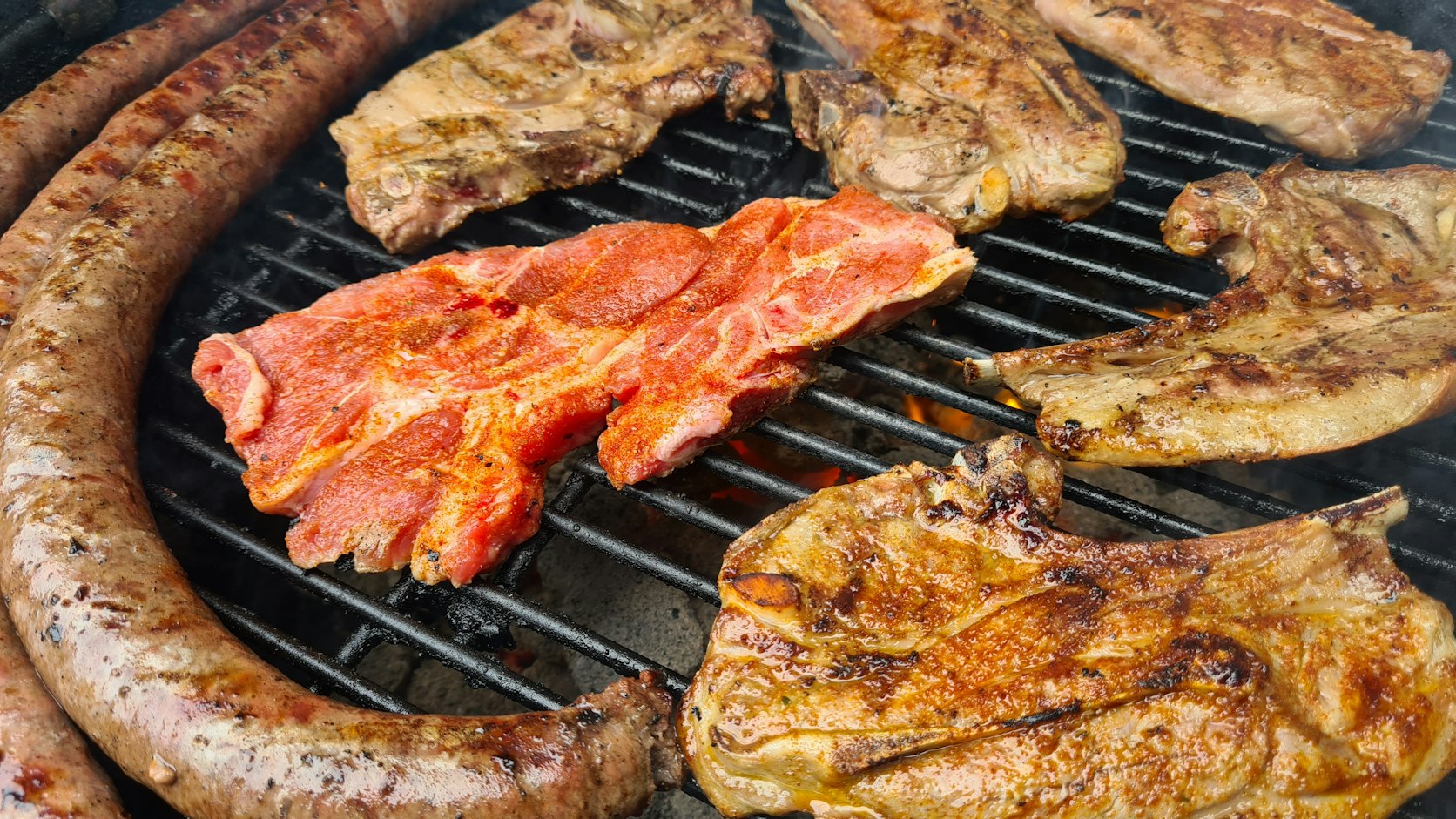
Festive Season Food Safety: How to Avoid Food Poisoning at Braais and Family Gatherings
Few things say South African summer like a braai with family and friends. But warm weather, large quantities of food and dishes left standing out for hours create perfect conditions for bacteria to grow.
Food poisoning is more common in summer, and the festive season is when many of us cook for bigger crowds than usual.
What causes food poisoning?
Food poisoning is caused by eating food contaminated with bacteria, viruses or parasites, or the toxins they produce. Common causes include Salmonella, E. coli, Staphylococcus and Listeria.
Foods most at risk include raw or undercooked meat and chicken, eggs, dairy, rice, seafood, salads with mayonnaise and anything that has been left out in the heat.
Common symptoms
- Nausea and vomiting
- Diarrhoea
- Stomach cramps
- Fever
- Feeling weak and tired
Symptoms can start within a few hours of eating contaminated food, or several days later, depending on the cause.
Keep it clean
- Wash your hands with soap before handling food and after handling raw meat
- Use separate chopping boards and utensils for raw meat and ready-to-eat foods
- Do not put cooked meat back on the plate that held it raw
- Wash fruit and vegetables in clean water
Cook it properly
- Cook chicken, boerewors, burgers and pork right through, with no pink meat and with juices running clear
- Defrost meat in the fridge, not on the counter
- Reheat leftovers until they are steaming hot all the way through, and only reheat them once
Keep it cold
- Keep perishable food in the fridge or a cooler box with ice until it is needed
- Do not leave food out for more than two hours, or more than one hour on very hot days
- Put leftovers in the fridge as soon as they have cooled
- Be careful with cooked rice. It should be cooled and refrigerated quickly
- When in doubt, throw it out
Who is most at risk?
Babies and young children, pregnant women, older adults and people with weakened immune systems are more likely to become seriously ill. Pregnant women should avoid foods linked to Listeria, such as unpasteurised milk and soft cheeses, and some cold processed meats.
Treating food poisoning at home
Most cases clear up on their own within a few days. The most important thing is to prevent dehydration:
- Take small, frequent sips of water or an oral rehydration solution
- Rest
- Eat plain, light foods when you feel ready
- Avoid alcohol, caffeine and fatty foods until you recover
To make a homemade rehydration solution, mix 8 level teaspoons of sugar and half a level teaspoon of salt in 1 litre of clean water.
When to see a doctor
Get medical advice if you or a family member:
- Cannot keep fluids down
- Has signs of dehydration, such as very little urine, dizziness or a dry mouth
- Has blood in their stool or vomit
- Has a high fever
- Has symptoms that last longer than three days
- Is a baby, elderly, pregnant or has a chronic condition
Speak to a TruMD healthcare professional
Food poisoning rarely waits for a convenient time. A TruMD healthcare professional can assess your symptoms over the festive season, advise on rehydration, prescribe medication if needed and provide a sick note.