Sun Safety This Summer: Protecting Your Skin From Sunburn and Skin Cancer
The festive season means beach days, pool parties and long afternoons outdoors. It also means some of the strongest UV radiation of the year.
South Africa has one of the highest rates of skin cancer in the world, according to the Cancer Association of South Africa (CANSA). The good news is that most skin cancers can be prevented, and most can be treated successfully when found early.
How the sun damages skin
Ultraviolet (UV) rays from the sun damage the DNA in skin cells. Over time, this damage can lead to premature ageing, sunspots and skin cancer. Sunburn is a clear sign that damage has been done, but UV damage can happen even without burning.
UV rays are strongest between 10:00 and 15:00, and they still reach your skin on cloudy days.
Everyone needs sun protection
People with fair skin, light eyes and many moles have the highest risk of skin cancer. But people with darker skin can still get sunburnt and develop skin cancer, which is often diagnosed later because it is not expected. Skin cancer in darker skin often appears on the palms, soles of the feet or under the nails.
How to protect your skin
- Seek shade, especially between 10:00 and 15:00
- Cover up with clothing, including long sleeves where possible
- Wear a wide-brimmed hat to protect your face, ears and neck
- Wear sunglasses that block UV rays
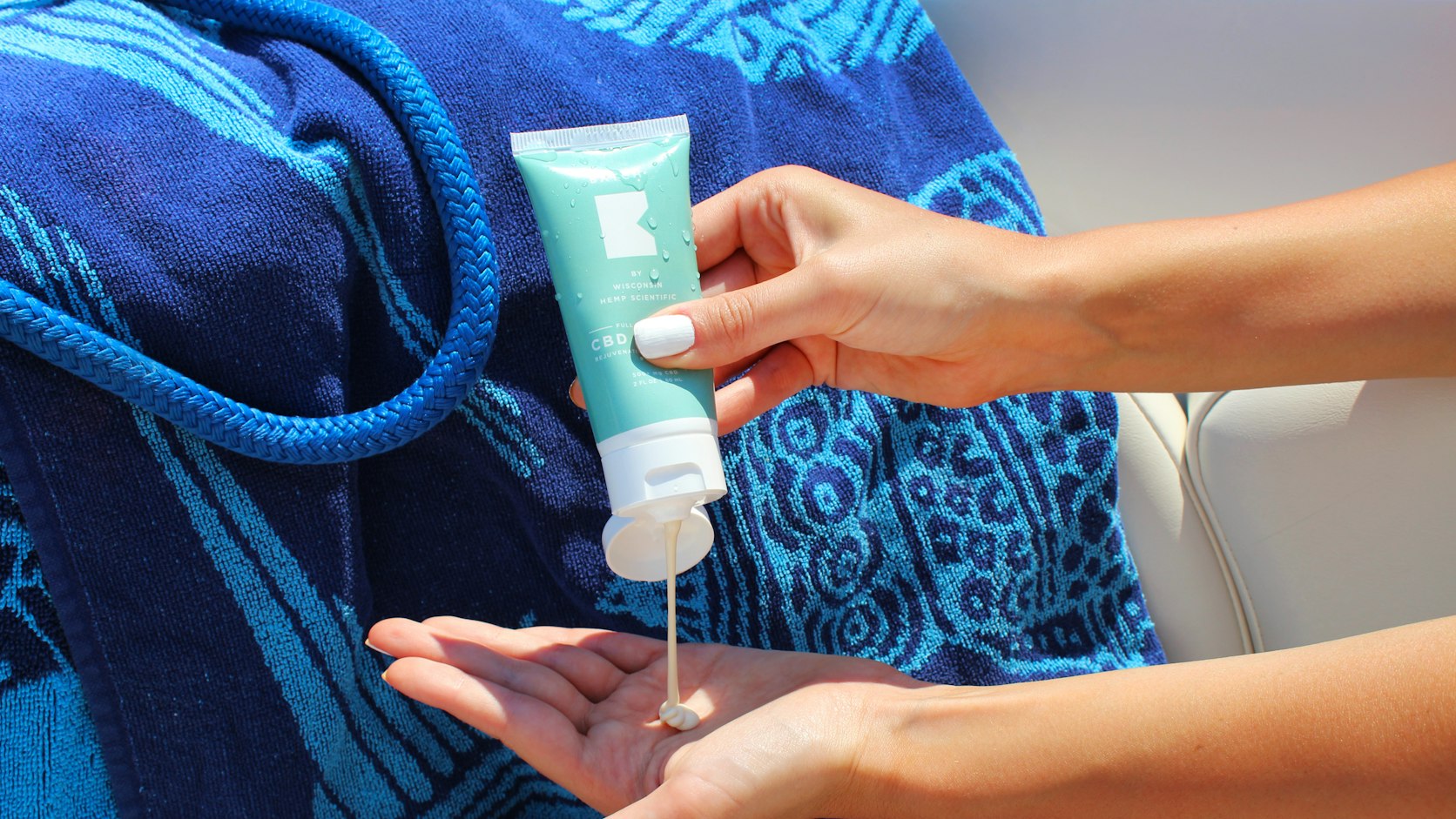
- Use sunscreen with SPF 30 or higher that protects against UVA and UVB
- Apply sunscreen generously 20 minutes before going outside, and reapply every two hours and after swimming or sweating
- Avoid tanning beds
Protecting children
Sunburn in childhood increases the risk of skin cancer later in life. Keep babies under six months out of direct sun, dress children in sun-protective clothing and hats, and make sunscreen part of the routine before every outdoor activity.
Treating sunburn
- Get out of the sun as soon as possible
- Cool the skin with a cool shower or damp cloth
- Apply an aloe vera gel or after-sun lotion
- Drink plenty of water
- Take paracetamol or ibuprofen for pain, if suitable for you
- Do not pop blisters
See a healthcare professional if sunburn is severe, covers a large area, blisters badly, or comes with fever, chills, headache or confusion.
Check your skin: the ABCDE rule
Check your skin once a month and look for moles or spots that show:
- A – Asymmetry: one half does not match the other
- B – Border: edges that are irregular, ragged or blurred
- C – Colour: several colours or uneven colour
- D – Diameter: larger than about 6 mm
- E – Evolving: changing in size, shape or colour
Also look out for sores that do not heal, spots that bleed, itch or crust, and new growths.
Speak to a TruMD healthcare professional
If you notice a new or changing spot, do not wait until after the holidays. TruMD offers dermatology support, and a TruMD healthcare professional can look at your concern, advise on treatment for sunburn or skin conditions and refer you to a dermatologist for a closer examination if needed.