Heat Exhaustion and Heatstroke: Staying Safe in the South African Summer Heat
December in South Africa means long days, outdoor gatherings and, in many parts of the country, intense heat. Most of the time, our bodies cope well. But when temperatures soar, especially during a heatwave, the body can struggle to cool down.
Heat-related illness ranges from mild heat cramps to heatstroke, which is a medical emergency.
How your body copes with heat
Your body cools itself mainly by sweating. When the sweat evaporates from your skin, it takes heat away with it. In very hot or humid weather, or if you are dehydrated, this system can fall behind and your body temperature starts to rise.
Who is most at risk?
- Babies and young children
- Older adults, especially those living alone
- People with heart disease, diabetes, kidney disease or high blood pressure
- People taking certain medicines, such as diuretics (water pills) or some blood pressure and mental health medications
- People who work outdoors or in hot environments
- Anyone exercising hard in the heat
Heat exhaustion: the warning signs
- Heavy sweating
- Feeling tired, weak or dizzy
- Headache
- Nausea or vomiting
- Muscle cramps
- Pale, cool and clammy skin
- Fast pulse
What to do: Move to a cool, shaded place. Loosen tight clothing, lie down and raise the legs slightly. Sip water or an oral rehydration solution. Cool the skin with a damp cloth or fan. Symptoms should start to improve within 30 minutes. If they do not, get medical help.
Heatstroke: a medical emergency
Heatstroke happens when the body can no longer control its temperature. It can damage the brain and other organs and can be fatal. Signs include:
- A very high body temperature
- Hot, red skin, which may be dry or damp
- Confusion, slurred speech or strange behaviour
- Seizures
- Loss of consciousness
What to do: Call 10177 for an ambulance, or 112 from a cellphone. While you wait, move the person somewhere cool, remove extra clothing and cool them down as quickly as possible with cool water, wet towels and a fan. Do not give fluids if they are confused or unconscious.
How to stay safe in the heat
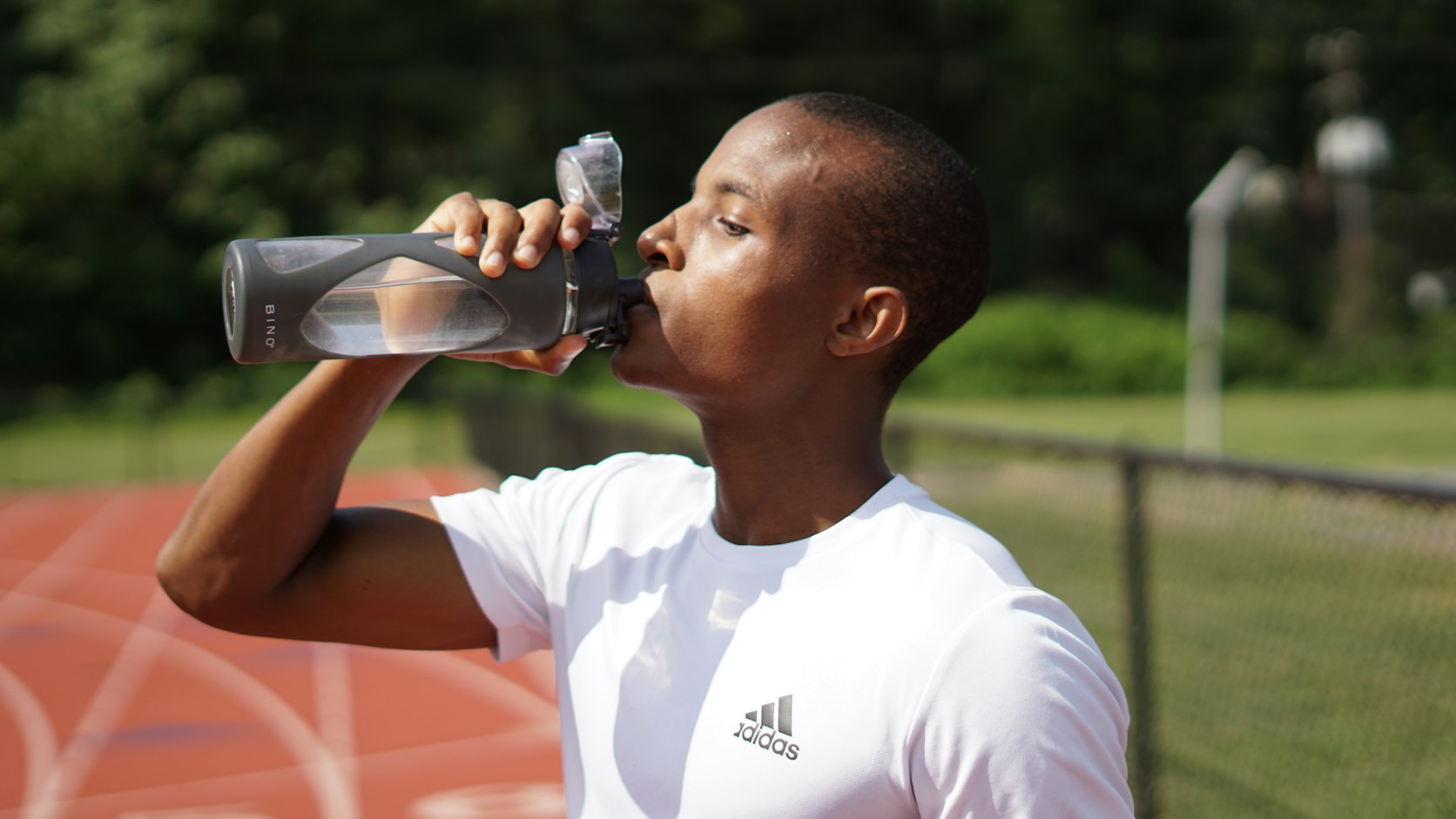
- Drink water regularly, before you feel thirsty. See why staying hydrated matters all year round
- Limit alcohol and sugary drinks, which can add to dehydration
- Avoid the hottest part of the day, usually 11:00 to 15:00, for exercise or heavy work
- Wear light, loose clothing and a wide-brimmed hat
- Never leave children or pets in a parked car, even for a few minutes
- Check on elderly neighbours and relatives during heatwaves
- Keep your home cool by closing curtains during the day and opening windows in the evening
Speak to a TruMD healthcare professional
If you have a chronic condition or take regular medication, ask a TruMD healthcare professional how the heat may affect you and whether you need to adjust anything. You can also consult a TruMD doctor if you are feeling unwell after time in the heat and are not sure whether you need further care.